
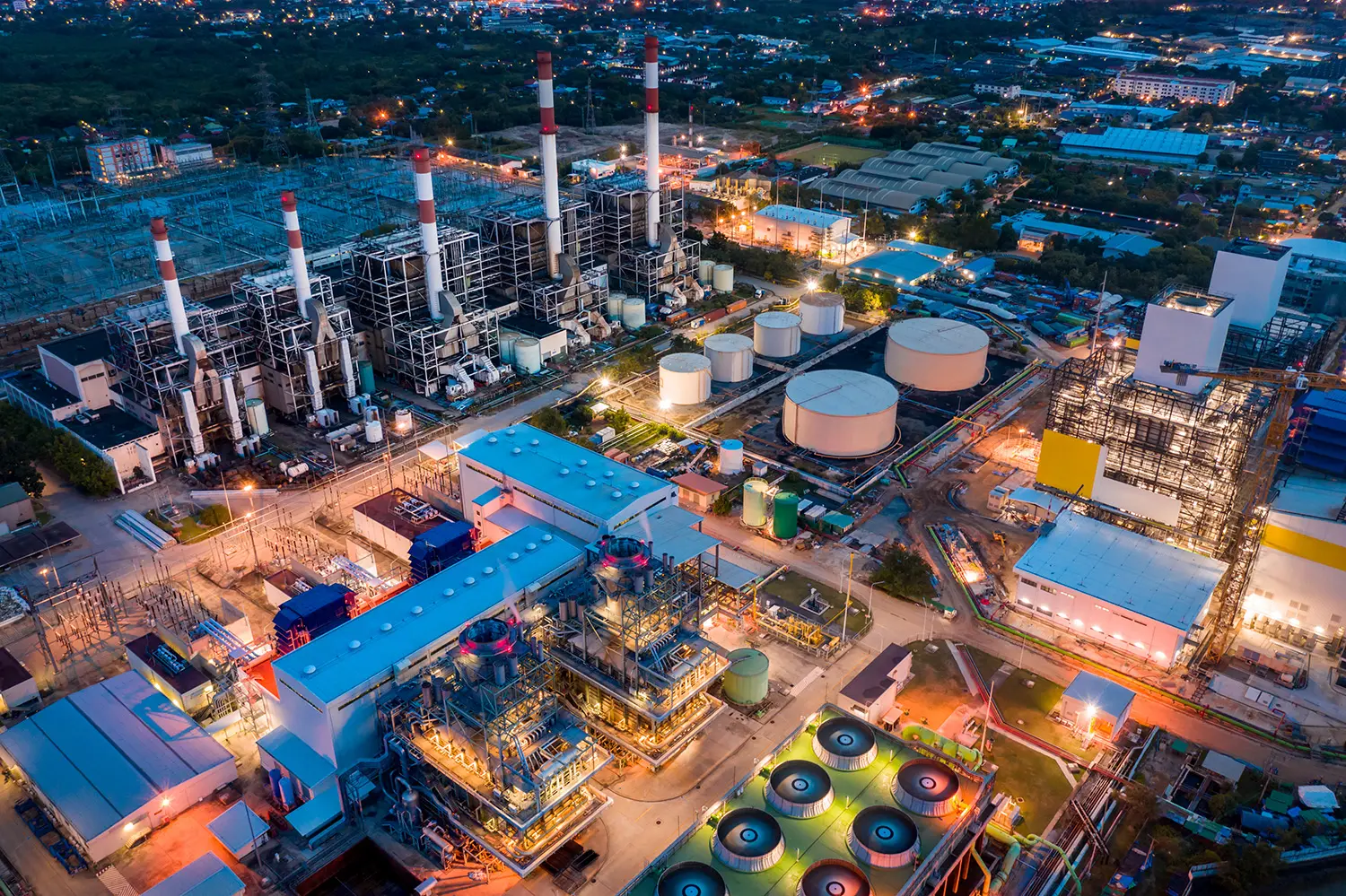
Congress promises cheaper electricity, but its latest energy bill would also make large industrial projects easier to build and harder for communities to challenge.
Americans are struggling with rising electricity bills. Congress says it has a solution: make it easier and faster to build energy projects. But buried in that promise is a much bigger change to how the country decides what gets built, where it gets built, and who gets a say.
The Bipartisan American Affordability and Jobs Act, passed by the Senate in November 2026, would weaken important environmental safeguards while giving developers greater protection from delays and legal challenges. Supporters say these changes are needed to modernize the electricity grid and bring down costs. Yet the benefits would extend well beyond clean energy to natural gas pipelines, industrial facilities, and infrastructure supporting the rapid expansion of artificial intelligence.
The question is whether Americans need to surrender environmental protections to get affordable electricity.
A Small Promise With a Big Price
The bill’s supporters point to research suggesting that faster energy development could save households money. Rhodium Group estimates that selected provisions could reduce annual household electricity costs by roughly $41 to $66 by 2035, compared with a future without those reforms.
Those savings are worth pursuing, but they are hardly a reason to rewrite decades of environmental law.
The National Environmental Policy Act, known as NEPA, requires federal agencies to examine the environmental consequences of major projects before approving them. It helps communities learn whether a proposed development could contaminate water, damage wildlife habitat, or threaten public health.
The Senate legislation would limit certain legal remedies when agencies fail to follow those requirements. In some circumstances, construction could continue even after a court finds an environmental review inadequate.
That changes the balance of power. Developers gain greater certainty, while communities may lose one of their most effective ways to prevent damage before it happens.
Follow the Money
The bill has attracted support from an unusual alliance of oil and gas companies, renewable energy developers, utilities, and major business organizations.
Their interests are not identical, but they share one important goal: getting large projects approved and built with fewer delays.
For fossil fuel companies, that could mean easier development of pipelines and other infrastructure that keeps the country dependent on natural gas for decades. Renewable energy developers could also benefit from faster transmission approvals.
The legislation includes provisions offering developers financial remedies for certain improper federal actions affecting their permits. Supporters call this project certainty. Critics worry it could make agencies more reluctant to revisit approvals when environmental problems emerge.
Meanwhile, communities facing pollution, habitat destruction, or threats to drinking water would have fewer opportunities to challenge some decisions.
The financial benefits of faster construction are concentrated among developers and investors. The environmental consequences can fall on people who receive little benefit from the projects themselves.
The AI Construction Boom
The rapid growth of artificial intelligence adds another dimension to the debate.
Large data centers consume enormous amounts of electricity. Meeting that demand can require new power plants, transmission lines, and gas infrastructure.
The bill includes measures intended to make large data centers pay for additional electricity infrastructure instead of passing those costs to ordinary customers. That is a useful safeguard, but it does not eliminate the environmental consequences of building the infrastructure.
Data centers would not be exempt from every environmental or local permitting requirement. However, faster approval of the power infrastructure they depend on could make expansion easier.
Instead of asking how much new electricity demand is necessary, or how to meet it with the least environmental damage, the debate largely centers on how quickly the next wave of construction can proceed.
Building Smarter, Not Just Bigger
There are legitimate reasons to improve permitting. Clean energy projects can face years of delays, and outdated transmission systems make it harder to connect renewable electricity to the grid.
But faster construction does not have to mean weaker environmental protections.
Energy efficiency, rooftop solar, battery storage, and virtual power plants can reduce the need for some expensive new infrastructure. A virtual power plant connects many smaller resources, such as home batteries and smart thermostats, so they can help meet electricity demand together.
These approaches cannot replace every transmission line or power plant, but they deserve the same attention as large construction projects.
The real problem with this legislation is not its promise to build clean energy faster. It is the decision to attach that promise to sweeping changes that benefit many kinds of industrial development.
Affordable electricity should not come at the expense of clean water, healthy communities, and the public’s right to challenge harmful projects.
Congress can modernize the grid without making environmental protection an obstacle to be removed. The public deserves both lower bills and meaningful safeguards, not a choice between them.
- The Washington Post, November 19, 2026. Senate votes to weaken environmental laws to speed up energy projects.
- Rhodium Group, November 2026. BAAJA: U.S. Energy System Impacts.
- Rhodium Group, November 2026. Permitting Reform and State Electricity Prices.
- Center for Western Priorities, November 2026. Analysis of the Senate permitting legislation.
- U.S. Congress, S. 5653, 119th Congress. Bipartisan American Affordability and Jobs Act.
11/22/2026 – This article has been written by the FalseSolutions.Org team
Share this