
Society of Native Nations in collaboration with SAC, AIMCTX, Carrizo/Comecrudo Tribe of Texas, and the Tehuan Band of Mission Indians of San Antonio with "Host Southern Drum Ottertrail."
monday, october 9th, 2024 at 11:00 am – 1:00 pm CDT
monday, october 10th, 2022 at 11:00 am – 1:00 pm CDT
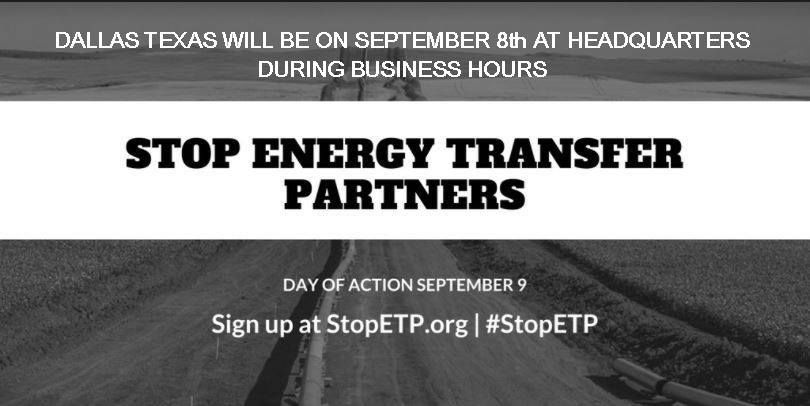
NATIONAL CAMPAIGN ALERT TO STOP ETP
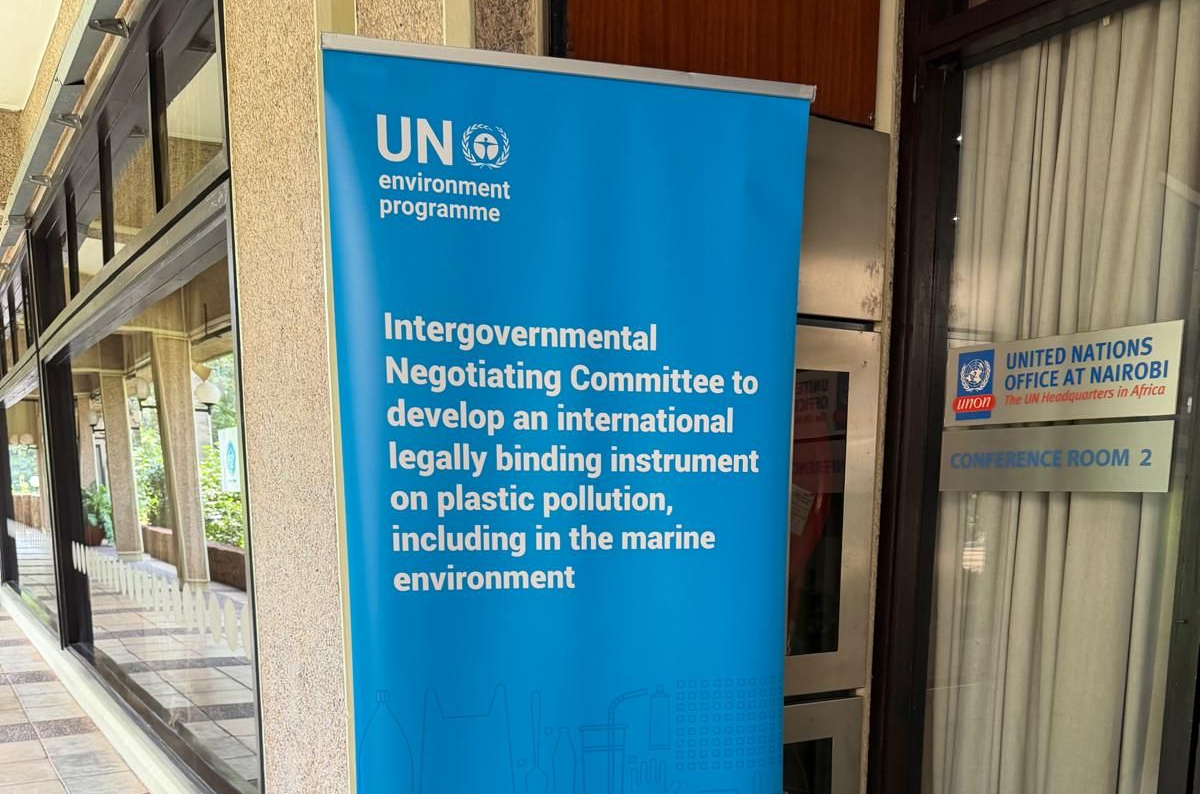
Society of Native Nations Warns Plastics Treaty Must Not Be Reframed to Protect Petrochemical Interests

Dear Indigenous human rights defenders

Bioplastics, explained: what they are, where 'compostable' claims fall short, greenwashing risks, and better paths—reduction, reuse, refill, and real zero-waste.
Is bioplastic a false solution? Learn compostability limits, contamination risks, and why reduction, reuse, and refill beat single-use .

Society of Native Nations Denounces Inhumane Immigration Policies, Calls for Indigenous Sovereignty and Human Rights
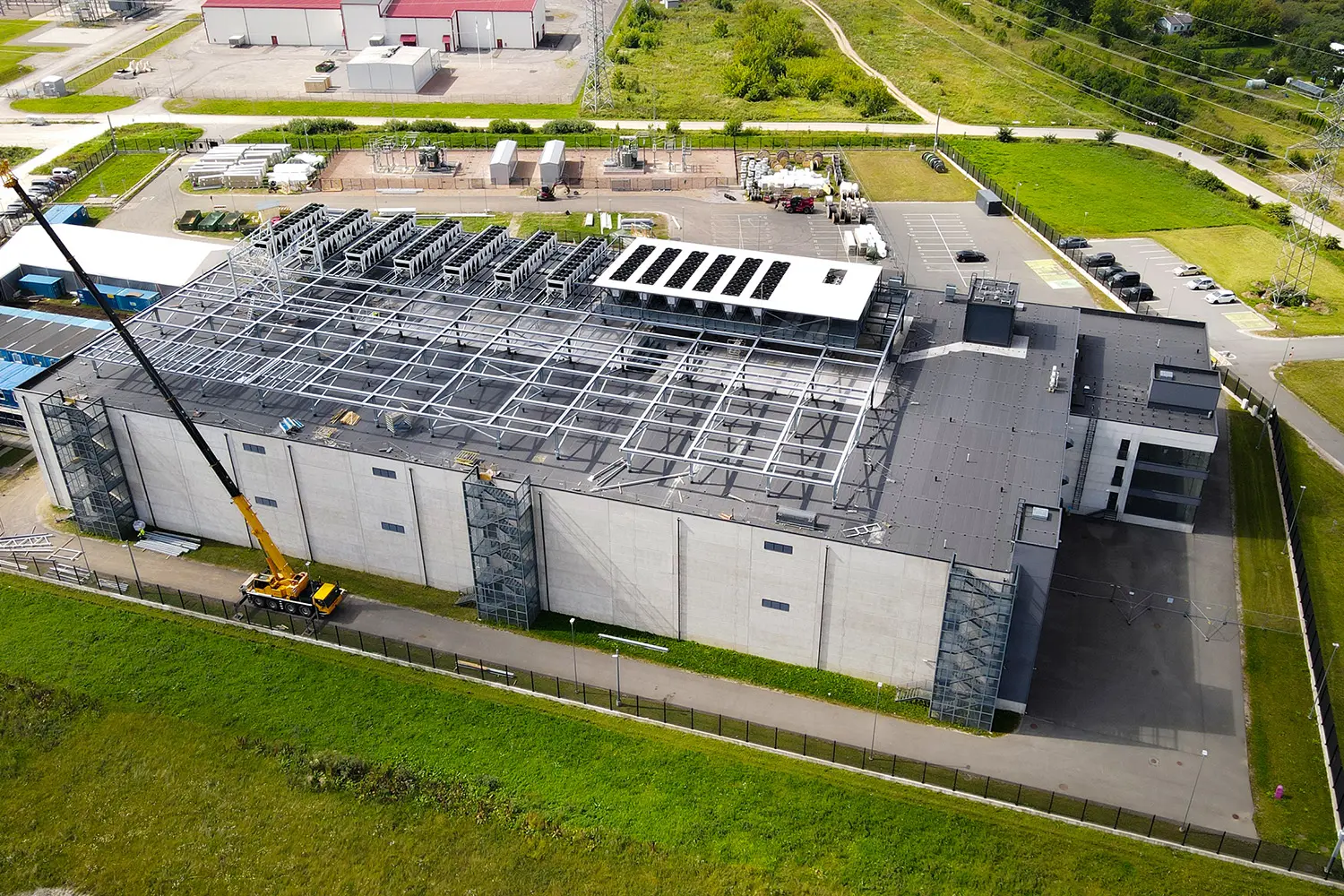
The Election Changed Washington. Will It Change Who Pays for America’s Next Industrial Boom?
Read more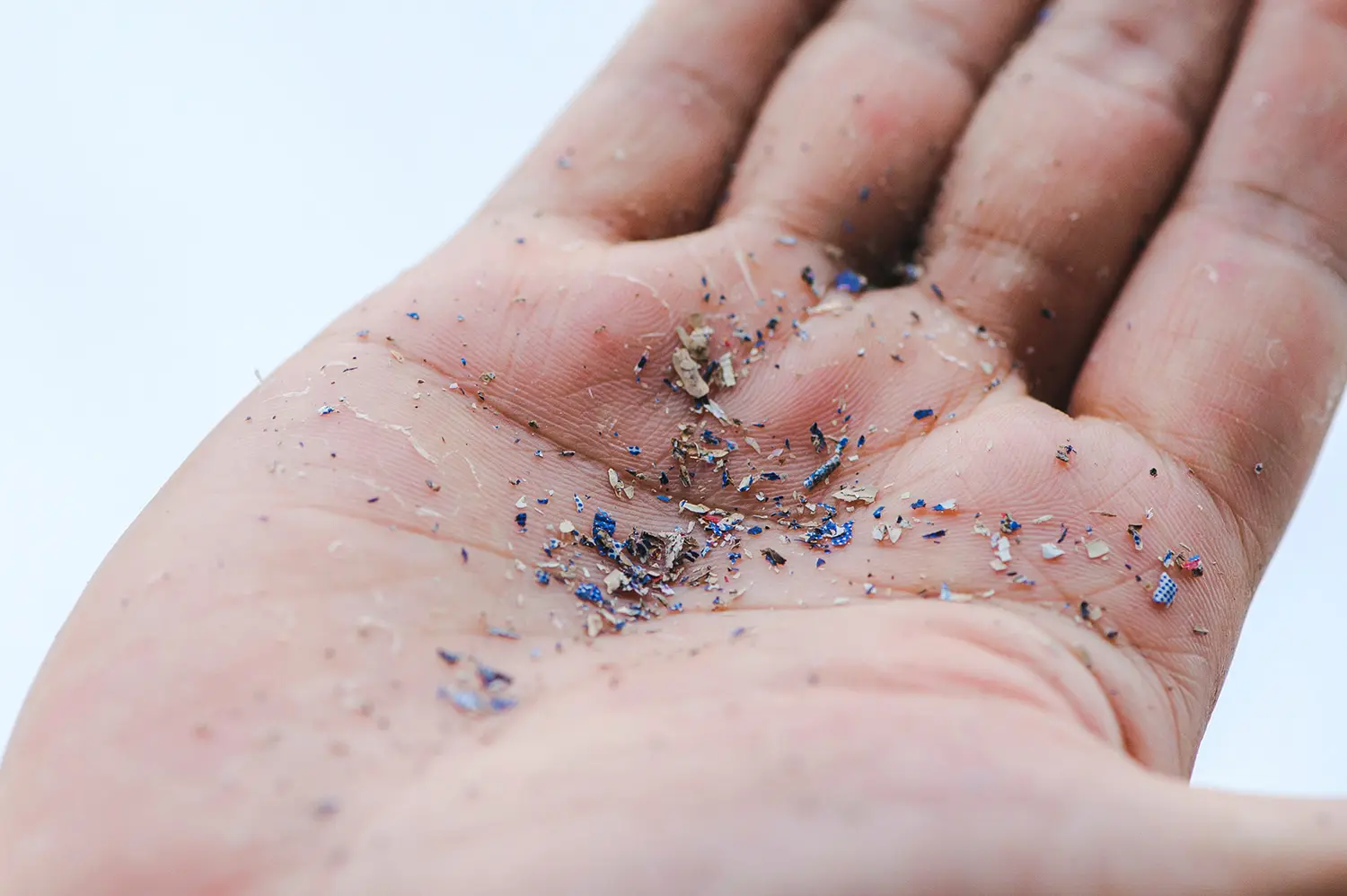
Plastic Doesn’t Just Carry Toxic Chemicals. It Can Create Them.
For decades, the plastics industry has assured us that many of its products are safe because the plastic itself is chemically stable. When concerns arise, the focus usually turns to chemicals added...
Read more
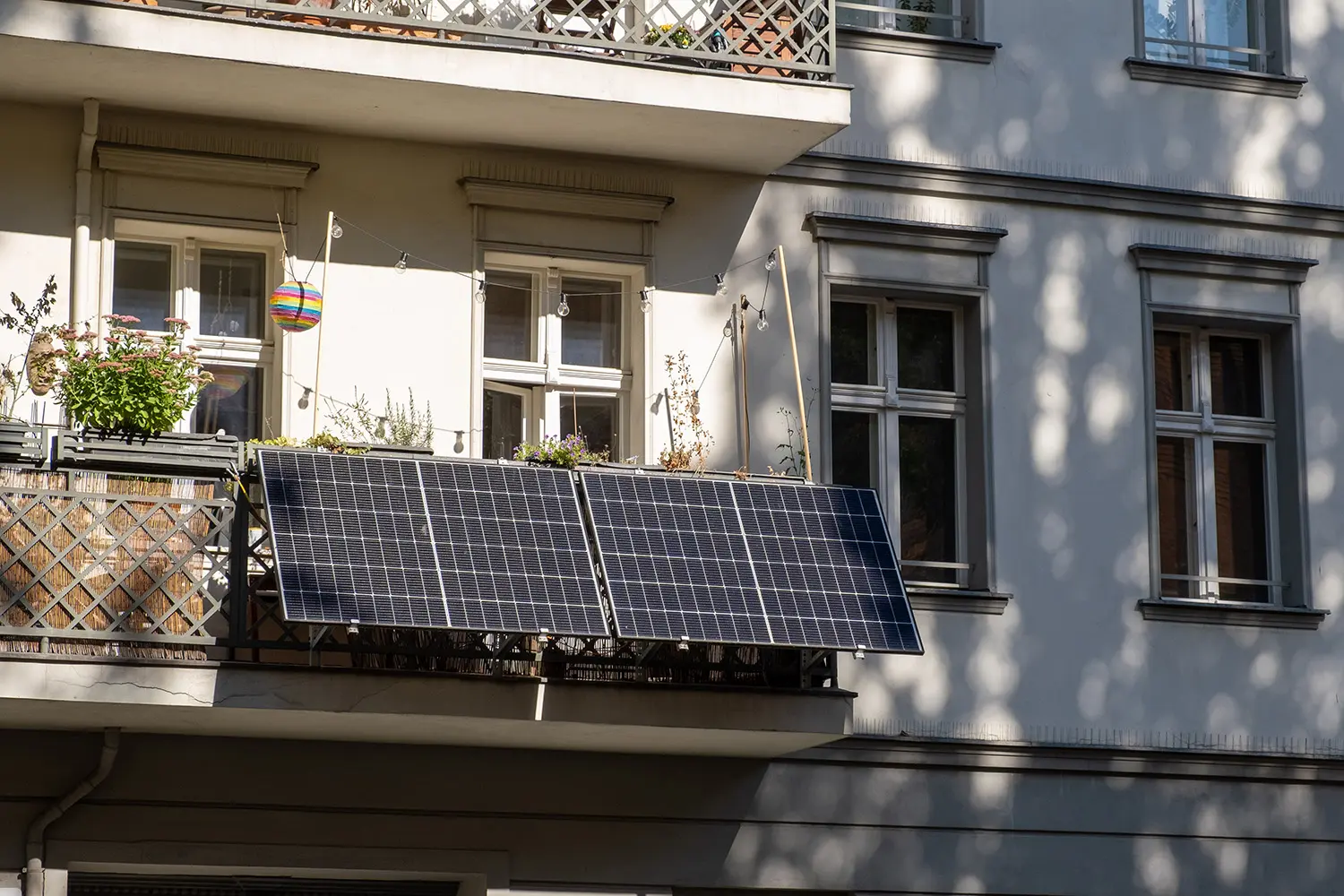
The Energy Industry Wants to Build Bigger. Americans Are Starting to Think Smaller.
America’s energy industry has a familiar answer to growing electricity demand: build more power plants, pipelines, and transmission lines. With artificial intelligence driving plans for enormous...
Read more

Locally Capable, Globally Connected: Rethinking Climate Resilience
We don’t need to change how everyone lives. We need to change the systems that determine how everyone can live. We live in a world where a broken power line can leave entire neighborhoods without...
Read more

The Carbon Offset Business: Selling the Right to Keep Polluting
From Zimbabwe's forests to California's carbon market, companies are buying promises of climate protection while continuing to pollute. The money is real, but the carbon savings are not always what...
Read more
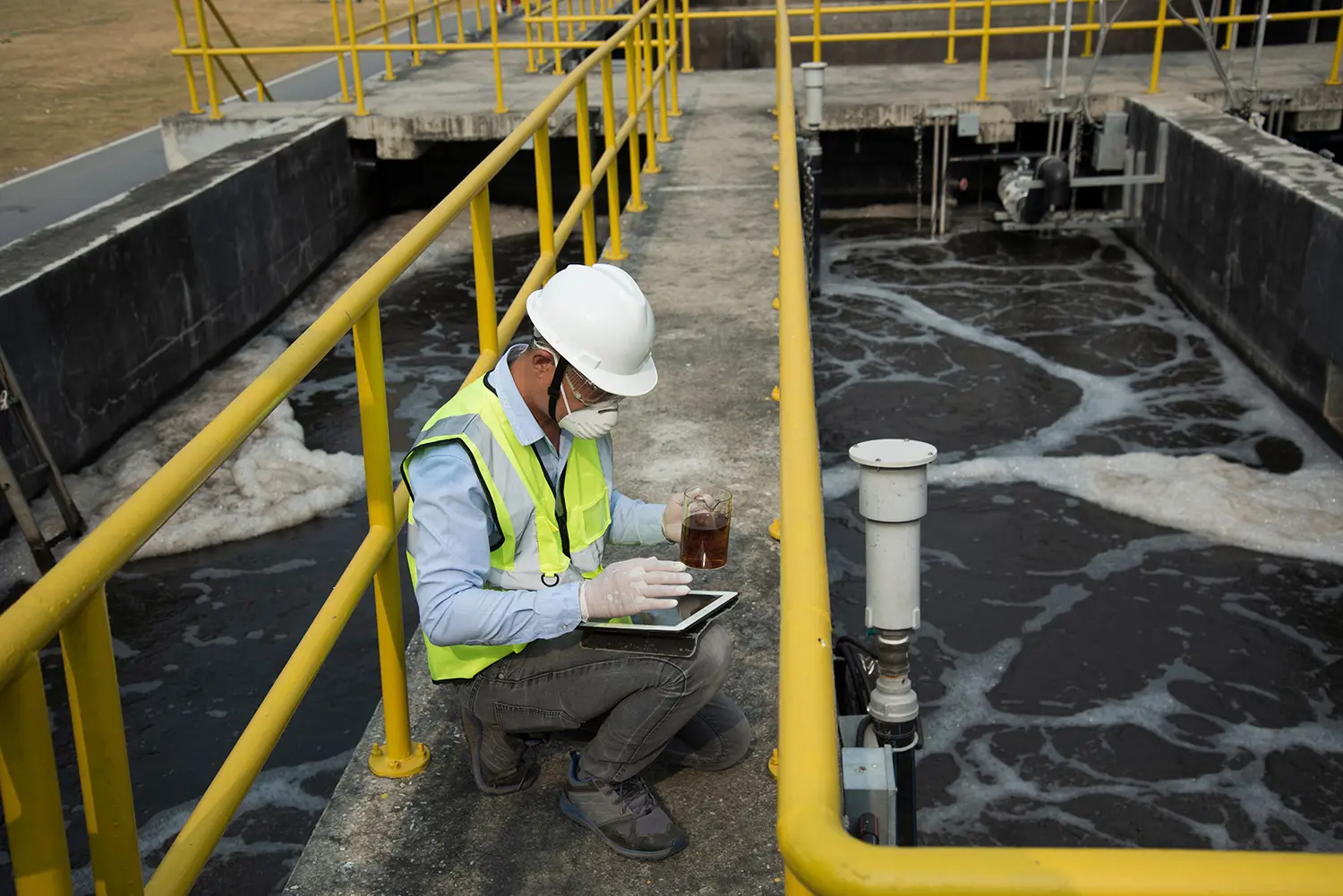
The Forever Chemicals Business Model: Make the Pollution, Leave the Cleanup to Us
There is a familiar pattern in American environmental policy. Companies make money selling products that create pollution, governments allow the damage to spread, and when the consequences become...
Read more
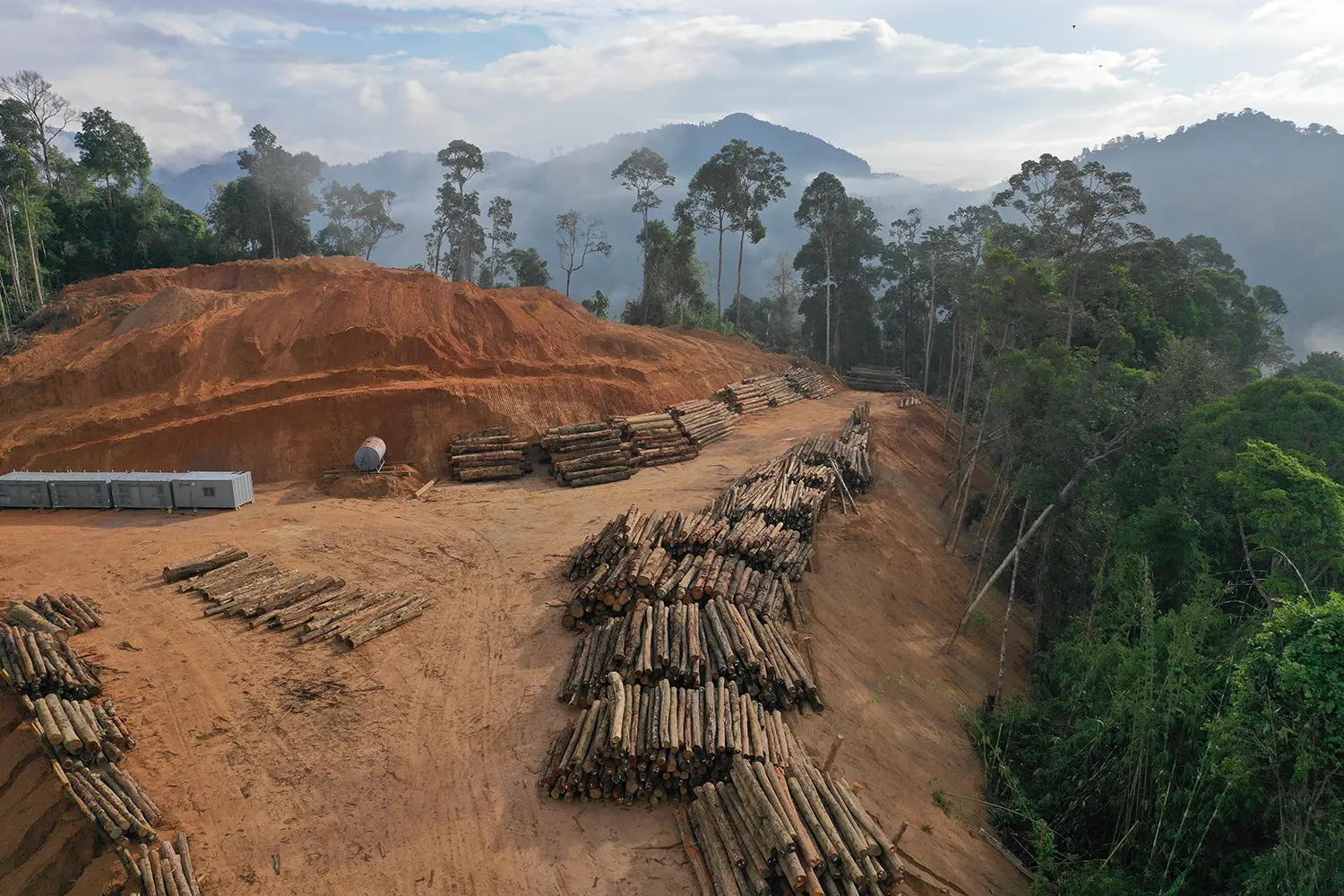
They Call It Development. The People Defending the Land Are Dying.
Read more
Cadiz Is a 50-Year Gamble on the Mojave Desert
Southern California needs water, and Cadiz Inc. says it has found some beneath its land in the Mojave Desert. The company wants to pump groundwater, move it through pipelines and sell it to water...
Read more

Hospitals Have AI to Bill You. Insurers Have AI to Deny You. Now You Need AI to Fight Back.
Artificial intelligence was supposed to make healthcare smarter, cheaper and easier. Instead, we may be watching it become the newest weapon in one of America’s oldest healthcare battles: who gets...
Read more
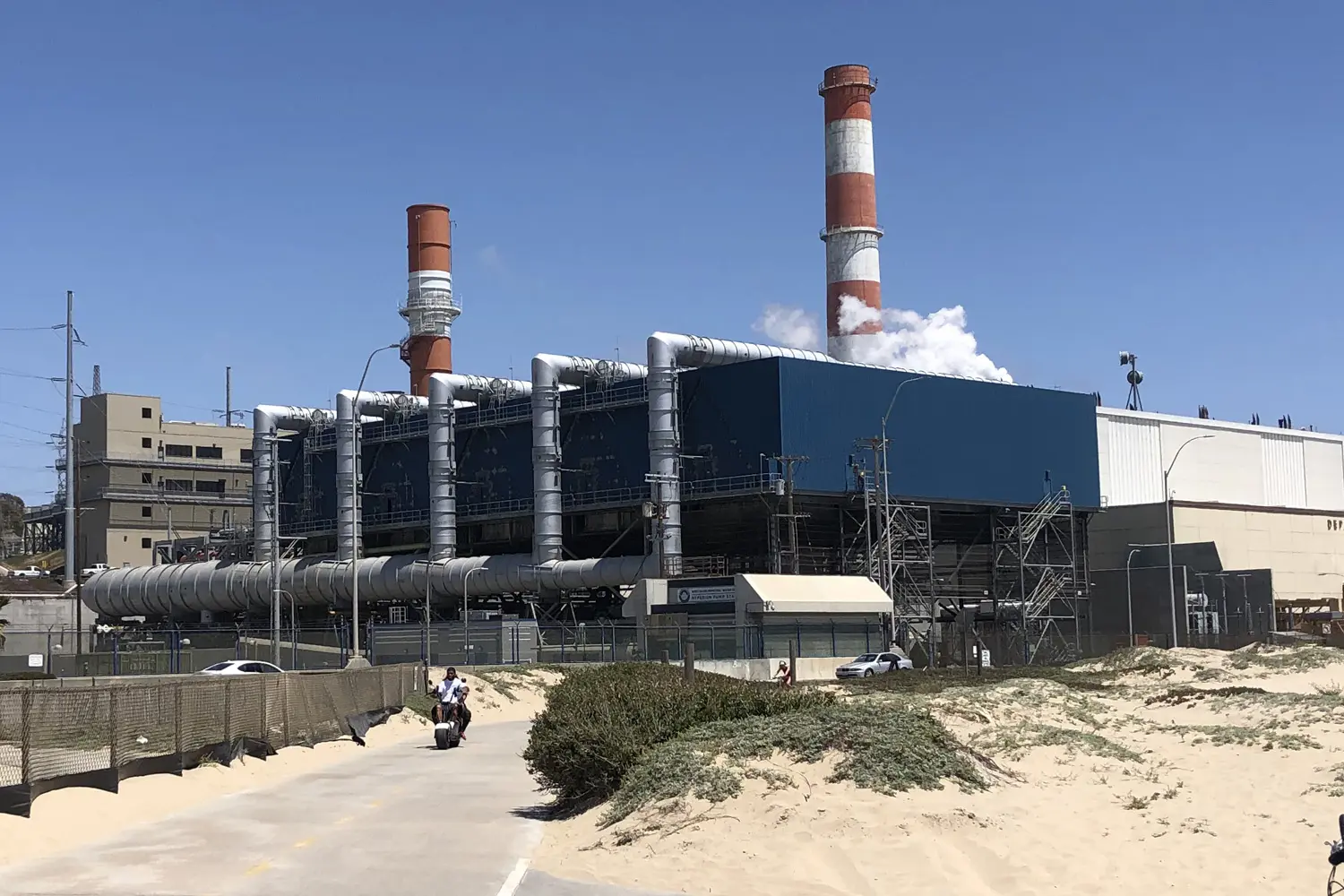
The Hydrogen Isn’t Ready. Los Angeles Is Building the Power Plant Anyway.
Los Angeles is preparing to spend hundreds of millions of dollars modernizing the Scattergood Generating Station with new combustion turbines under a reassuring name: the “Green Hydrogen-Ready...
Read more
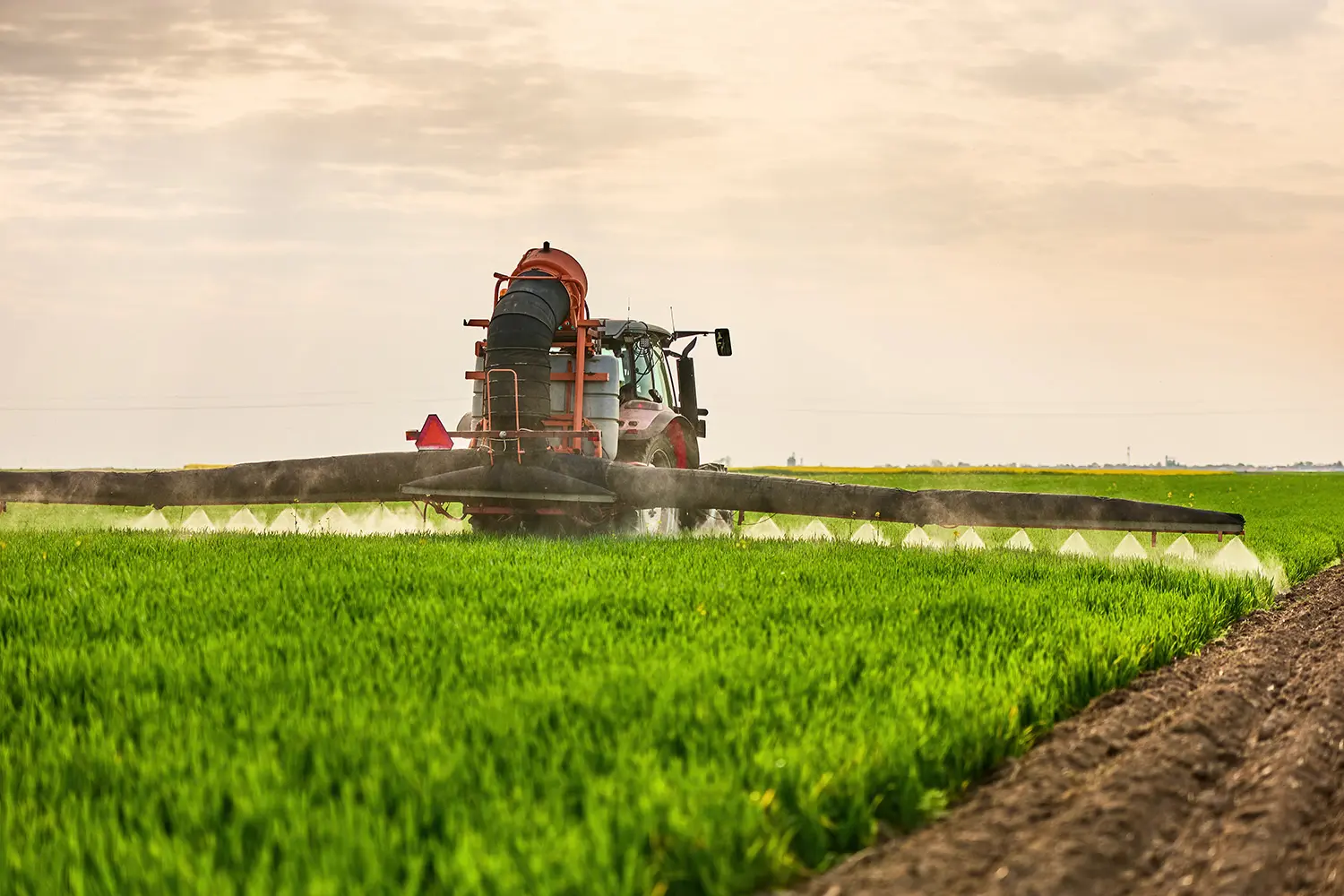
When the Pesticide Company Gets to Help Pick the Rules
Imagine getting pulled over for speeding and having the police officer hand you a menu: Would you prefer a $300 fine, a $100 fine, or a warning? That would be a strange way to enforce the law, yet...
Read more
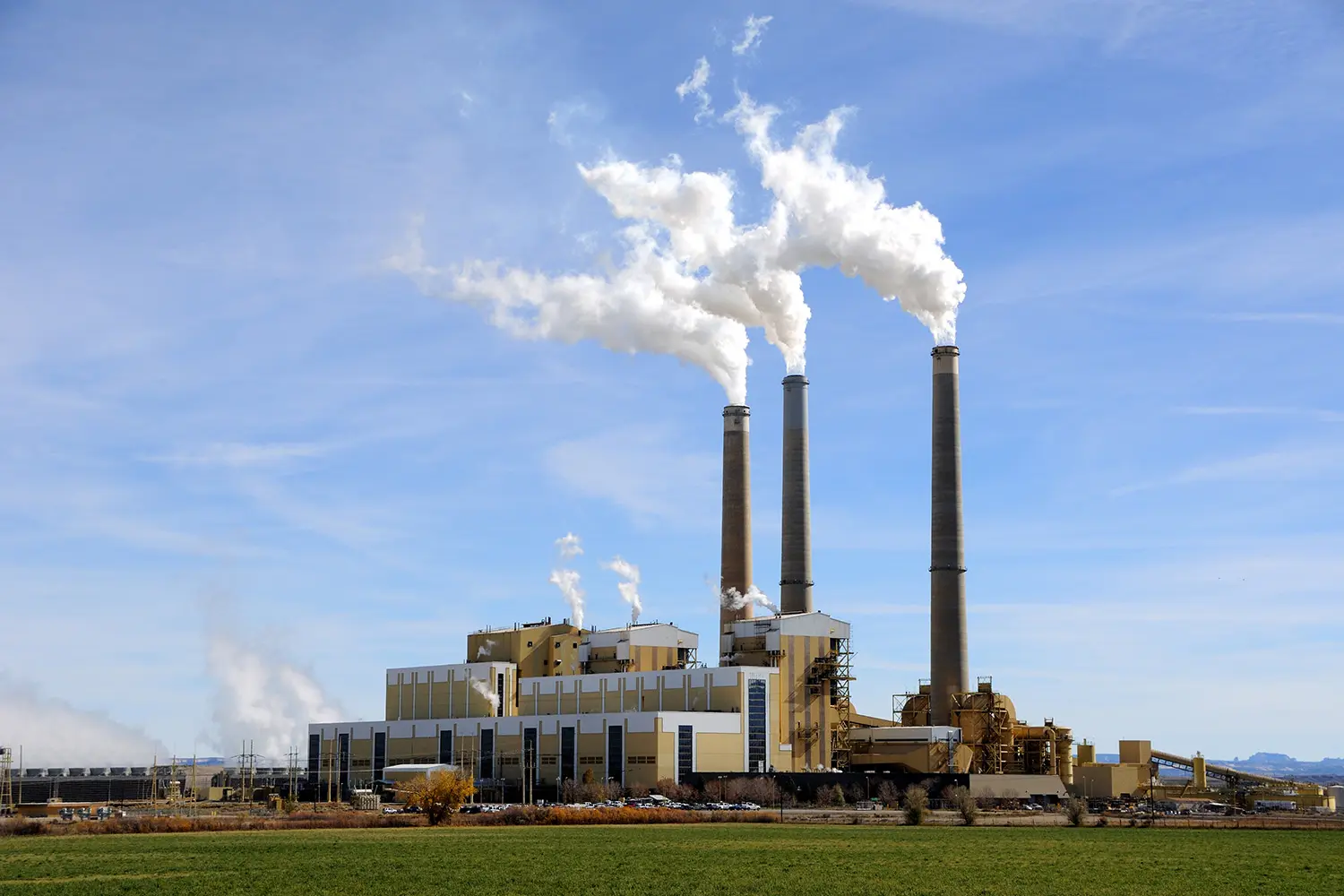
The EPA Found a Cheap Way to Cut Power Plant Pollution: Stop Regulating It
There is an easy way to make pollution controls cheaper: get rid of the pollution controls. That is essentially what the Environmental Protection Agency is doing with some of the nation’s largest...
Read more
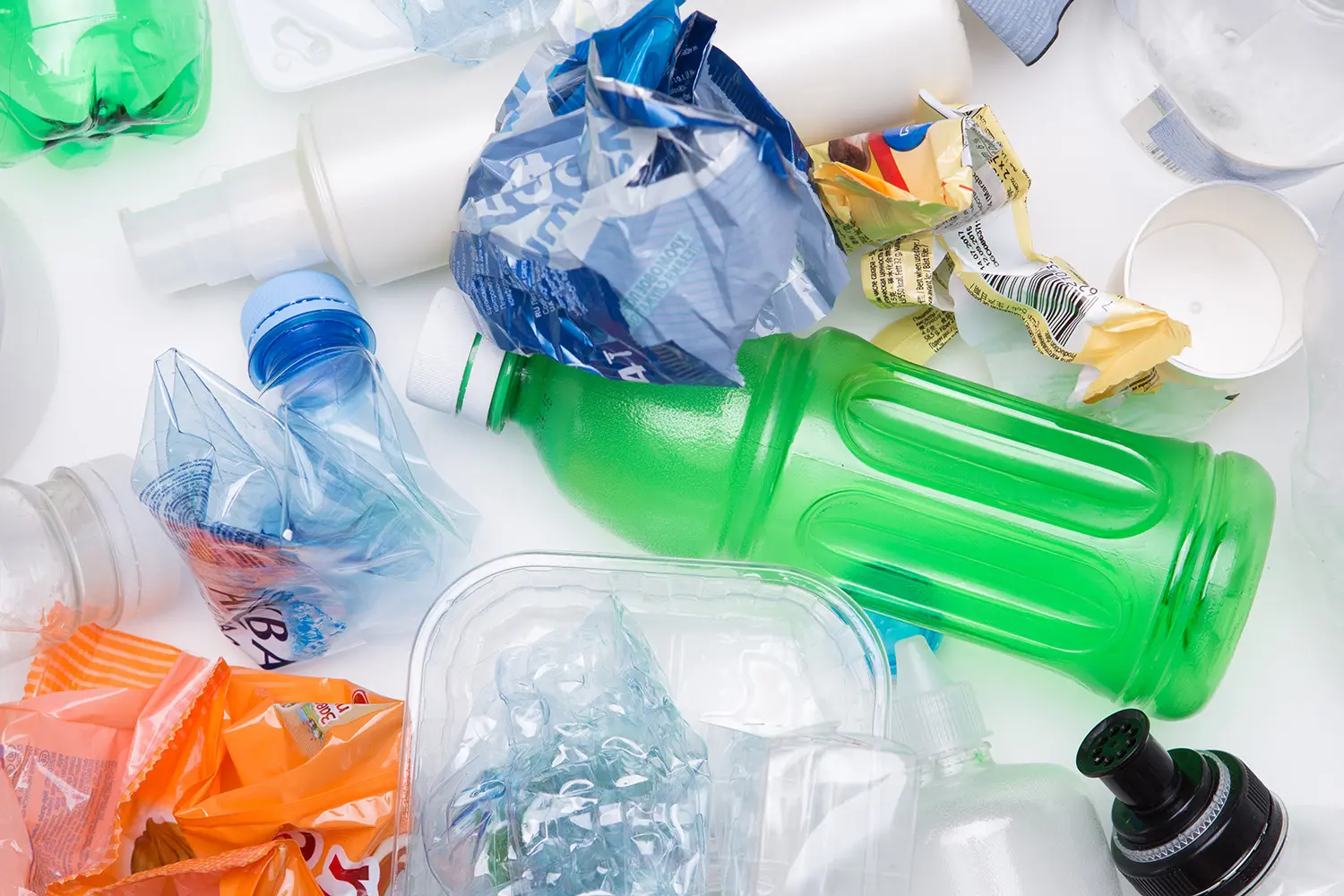
California Asked Plastic Companies to Pay for Their Waste. Now They Want the Law Gone.
For decades, the deal around plastic packaging has been remarkably good for the companies that make and sell it. They can wrap a product in plastic, sell it to you, and almost immediately make the...
Read more
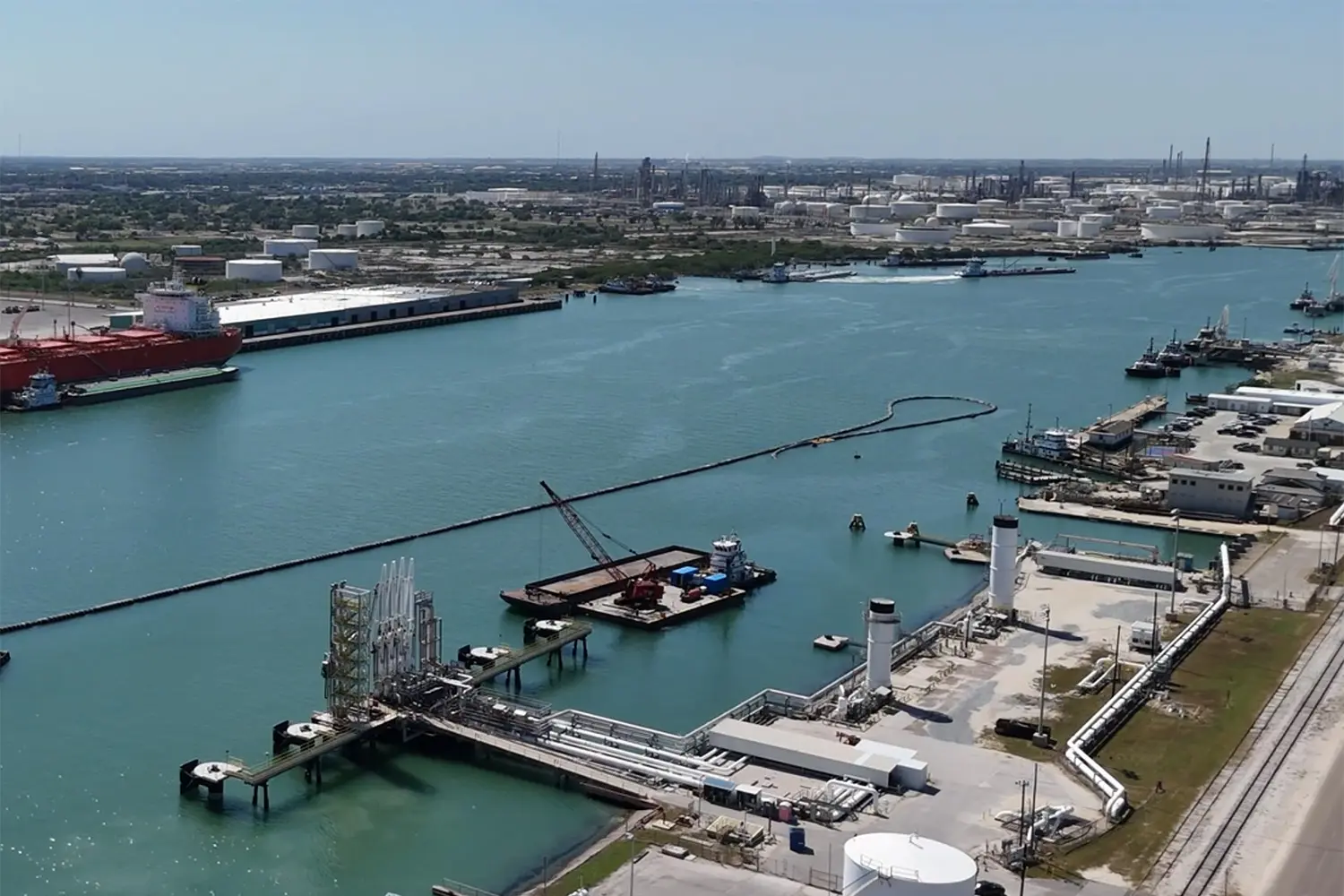
Corpus Christi Killed the Desalination Zombie. Again.
Three months ago, we wrote that Corpus Christi’s billion-dollar desalination project had crawled back out of the grave. Apparently, local residents remembered where they left the shovel. On...
Read more
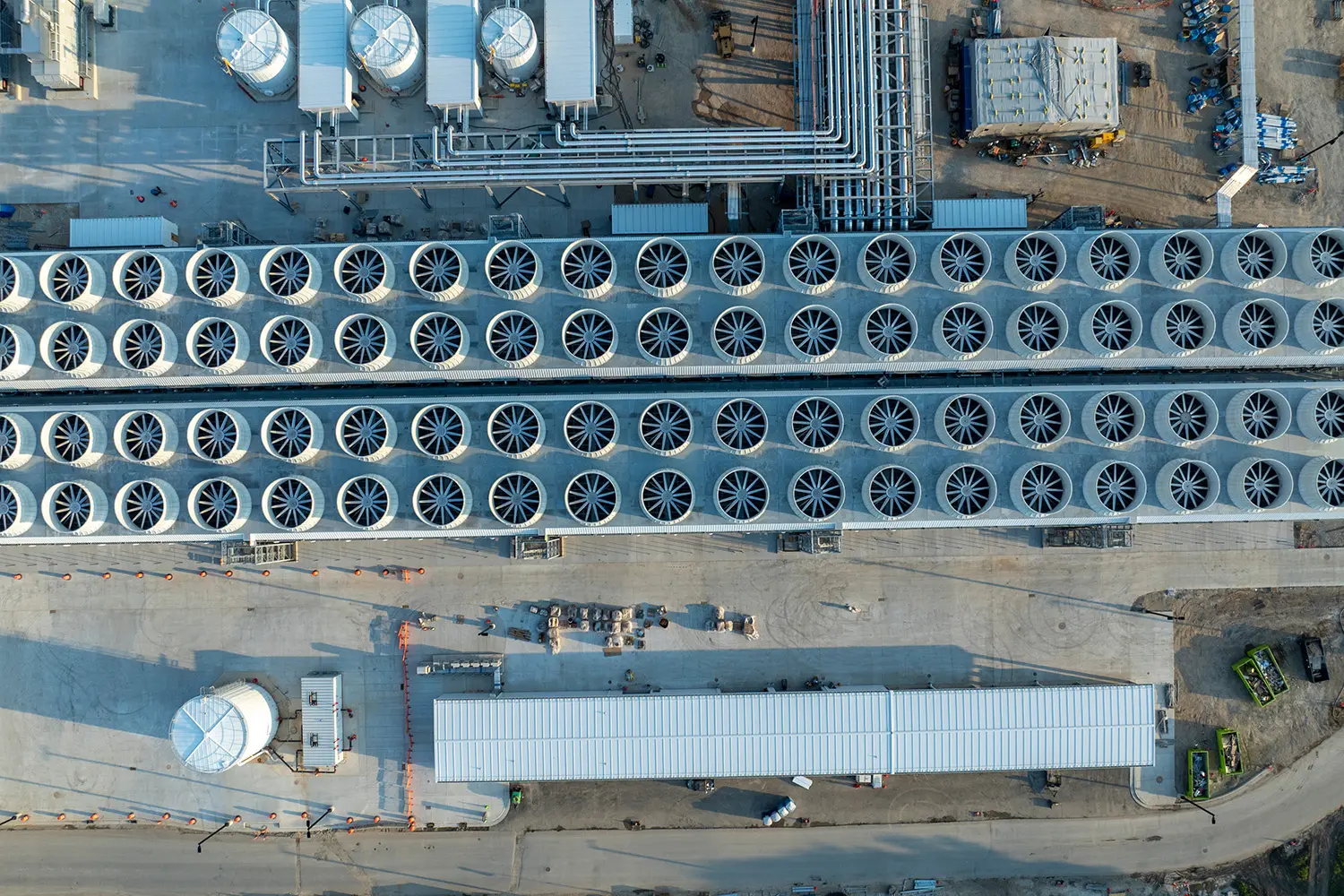
AI Needs More Power. Why Should the Public Get Less of a Say?
America is racing to build the infrastructure needed for artificial intelligence, and that race is beginning to reshape communities far beyond Silicon Valley. Data centers are getting larger,...
Read more
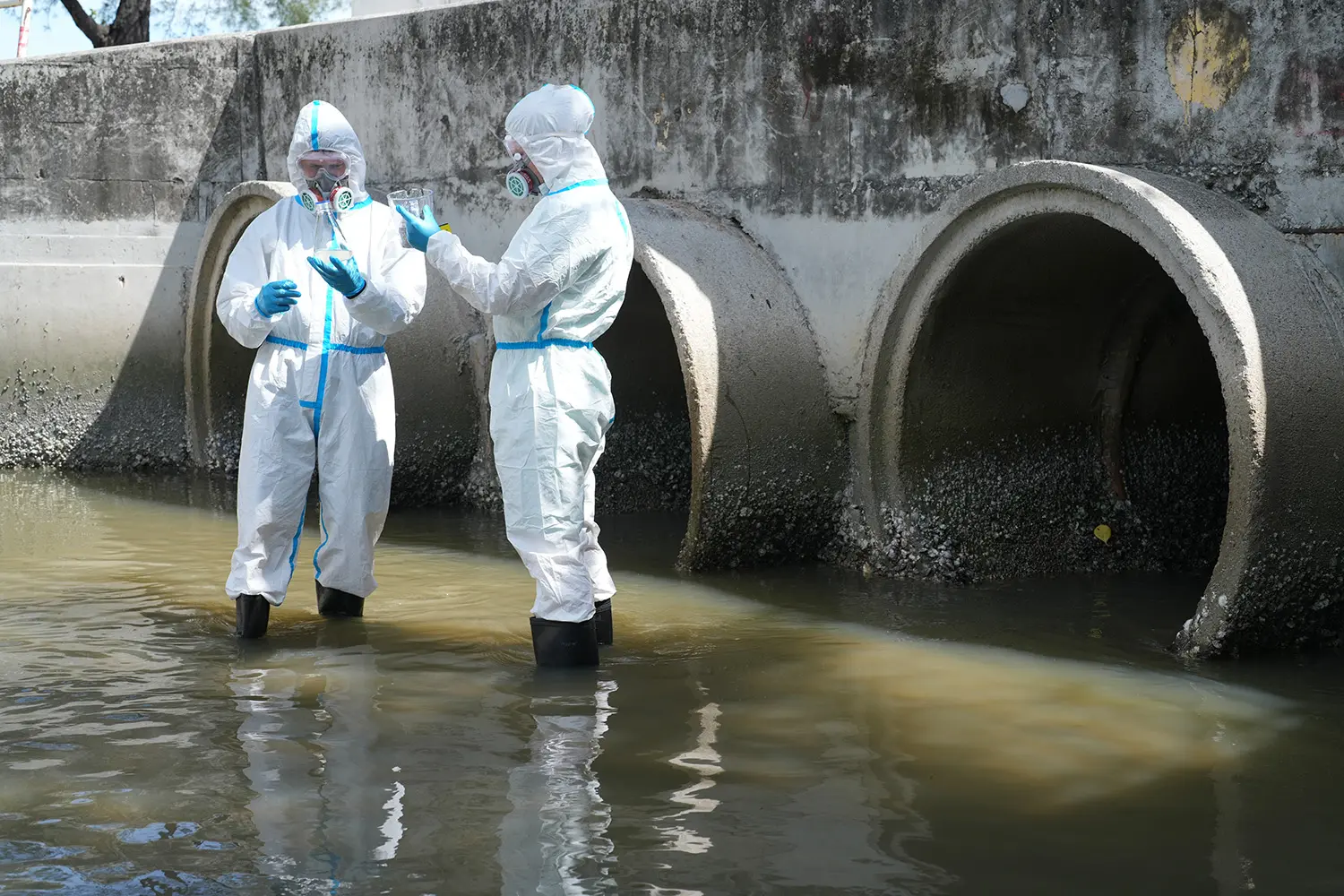
When Oil Wastewater Becomes Irrigation Water, We Should Ask Why
The oil industry has a water problem, and its proposed solution should make all of us uncomfortable.Every day, oil and gas operations in the Permian Basin of Texas and New Mexico bring nearly one...
Read more

The Ocean Floor Should Not Become the Next Sacrifice Zone
Read more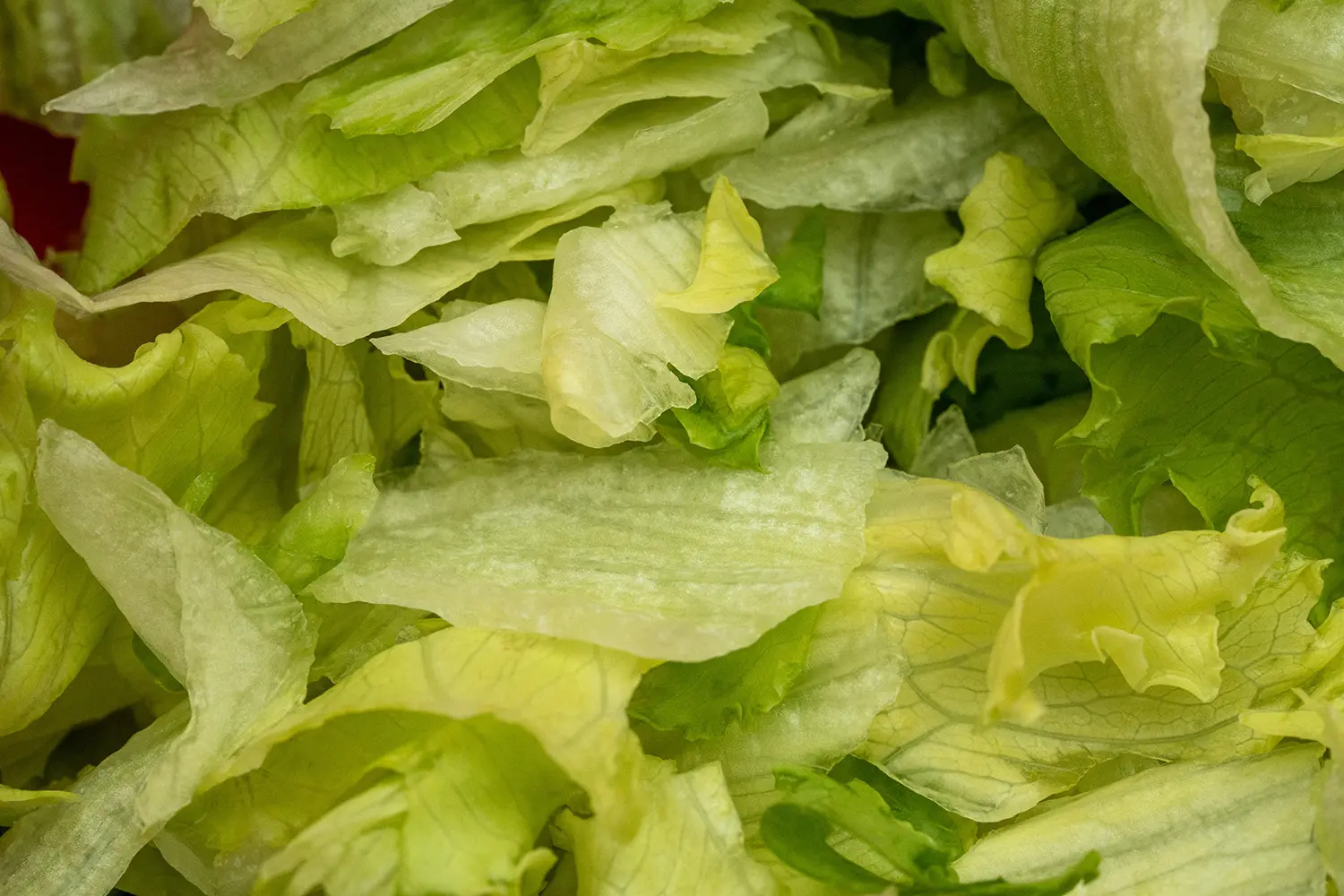
When Lettuce Becomes a National Health Crisis
Lettuce does not look particularly dangerous. It is one of the most ordinary foods in an American kitchen, something we toss into a salad, add to a sandwich or pick up from the produce section...
Read more
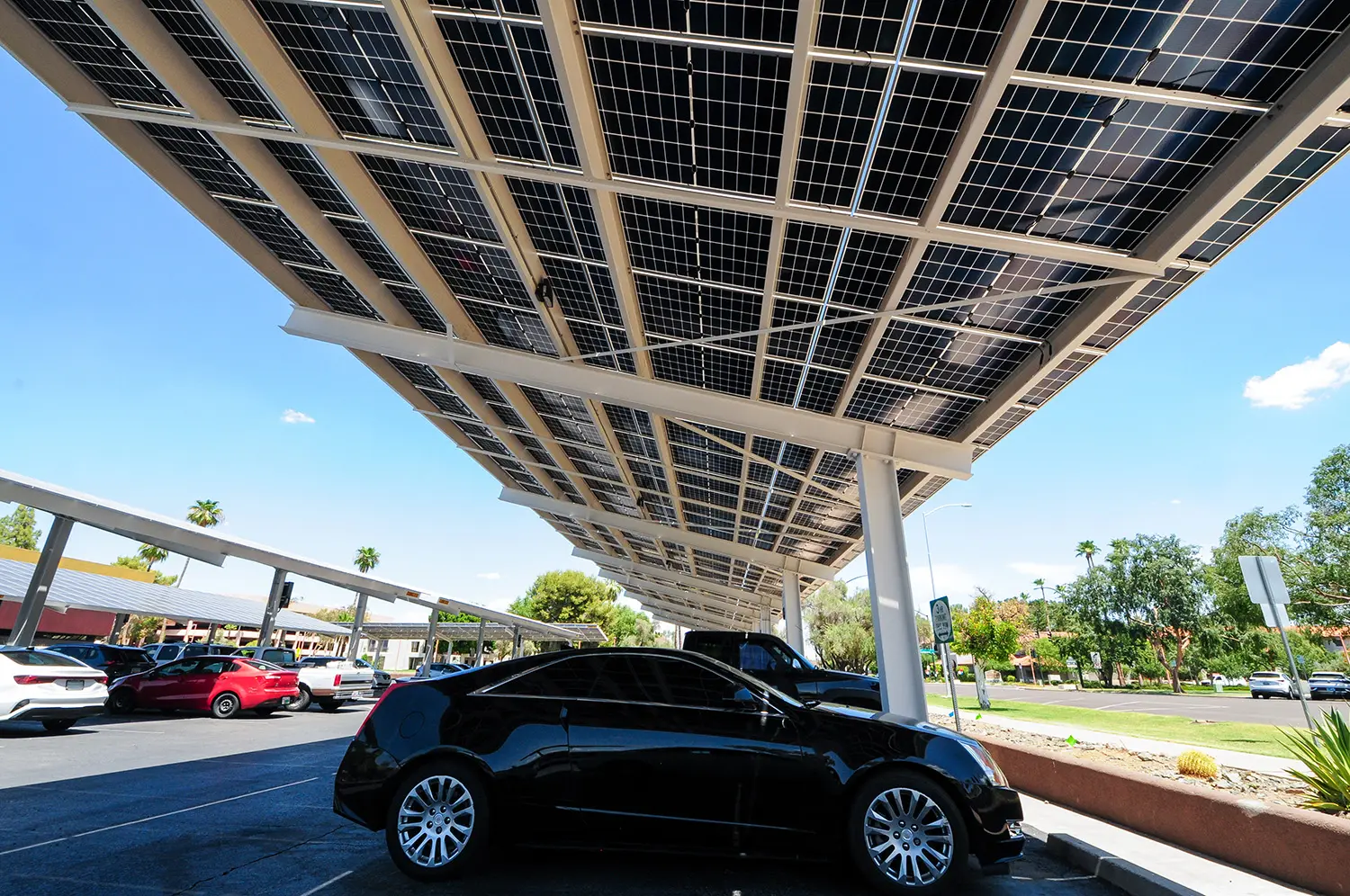
We Already Paved the Land. Why Not Put Solar Over It?
Across the United States, enormous stretches of land sit covered in asphalt. We call them parking lots, and for most of the day many of them do little more than wait for cars.They surround shopping...
Read more

The Cheapest Air Conditioner in the City Might Be a Tree
As heat waves become longer and hotter, cities are searching for ways to keep people safe without simply installing more air conditioners and using more electricity. Some of the most promising...
Read more
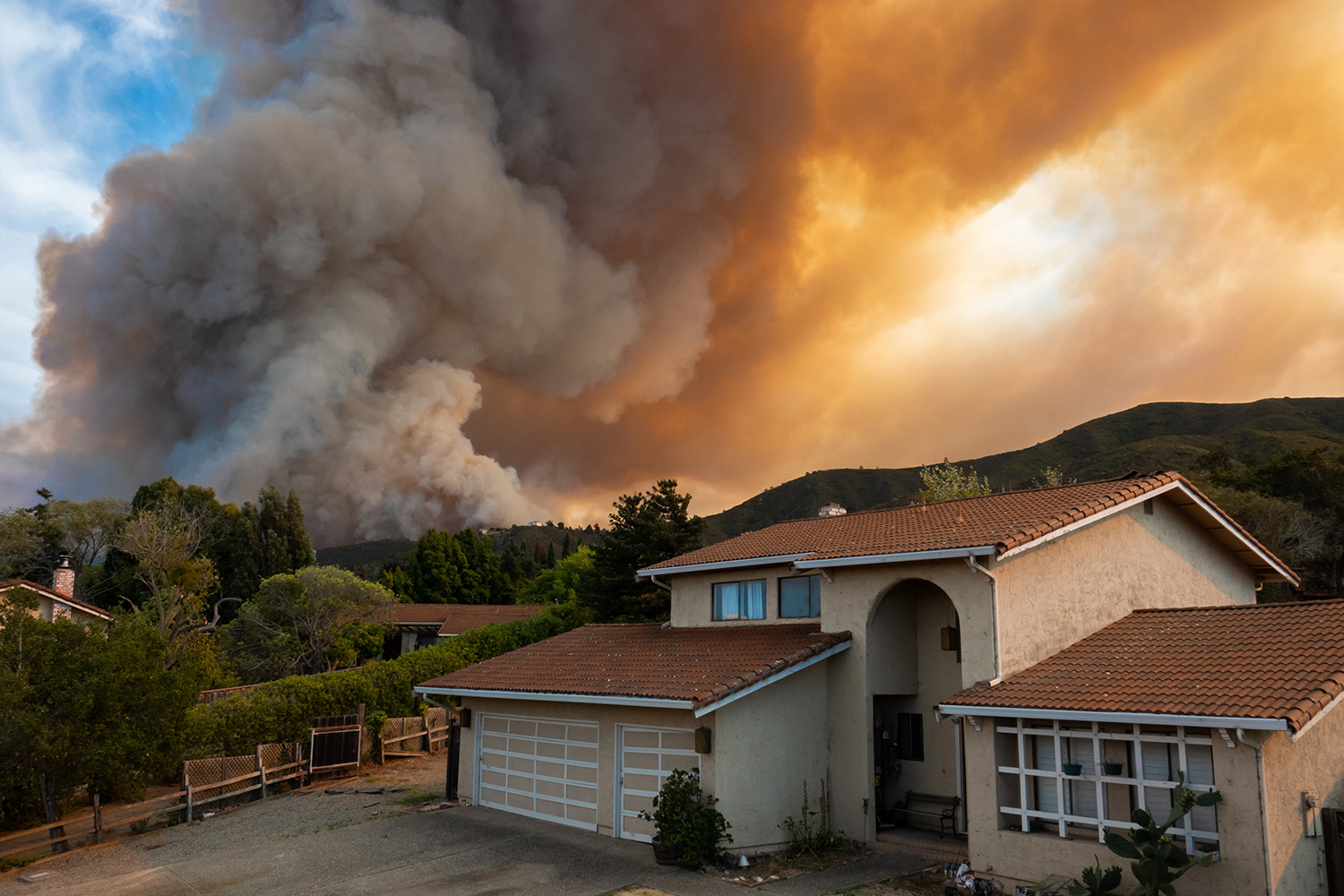
The Environmental Crisis Is Already in Your House
For decades, Americans were encouraged to think about environmental problems as something happening somewhere else. Melting glaciers were in the Arctic. Deforestation was happening in the Amazon....
Read more
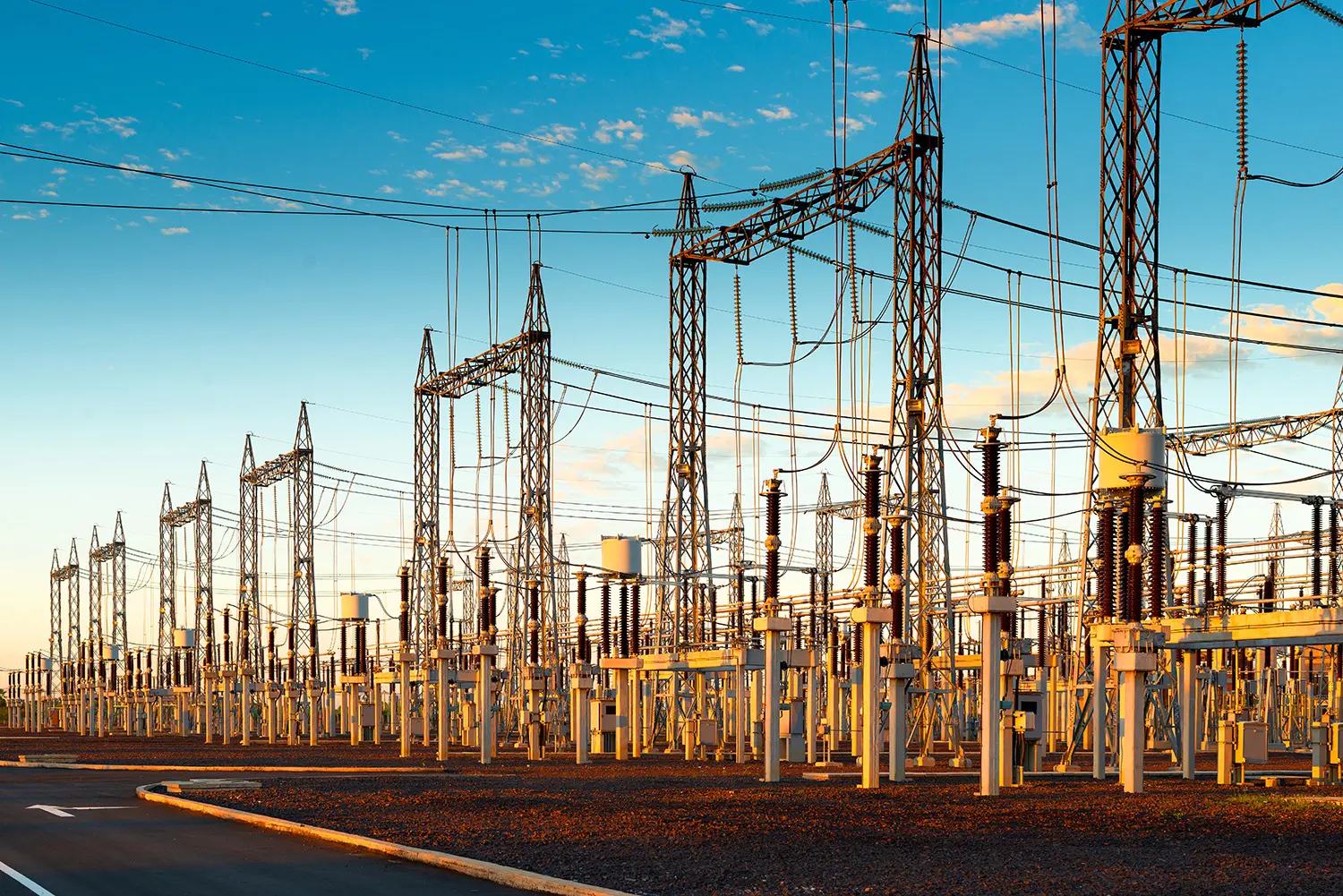
The Bottleneck Is the Point
The Bottleneck Is the PointHow Grid Delays Are Steering California Toward the Wrong Energy FutureIn Racing the Clock or Repeating the Mistakes?, we warned that California’s clean energy timeline...
Read more

Politicized on Purpose How Power Turned the Climate Crisis into a Culture War
The climate crisis did not become political because the science was uncertain. It became political because certainty threatened power. For decades, the scientific consensus has been clear. Fossil...
Read more
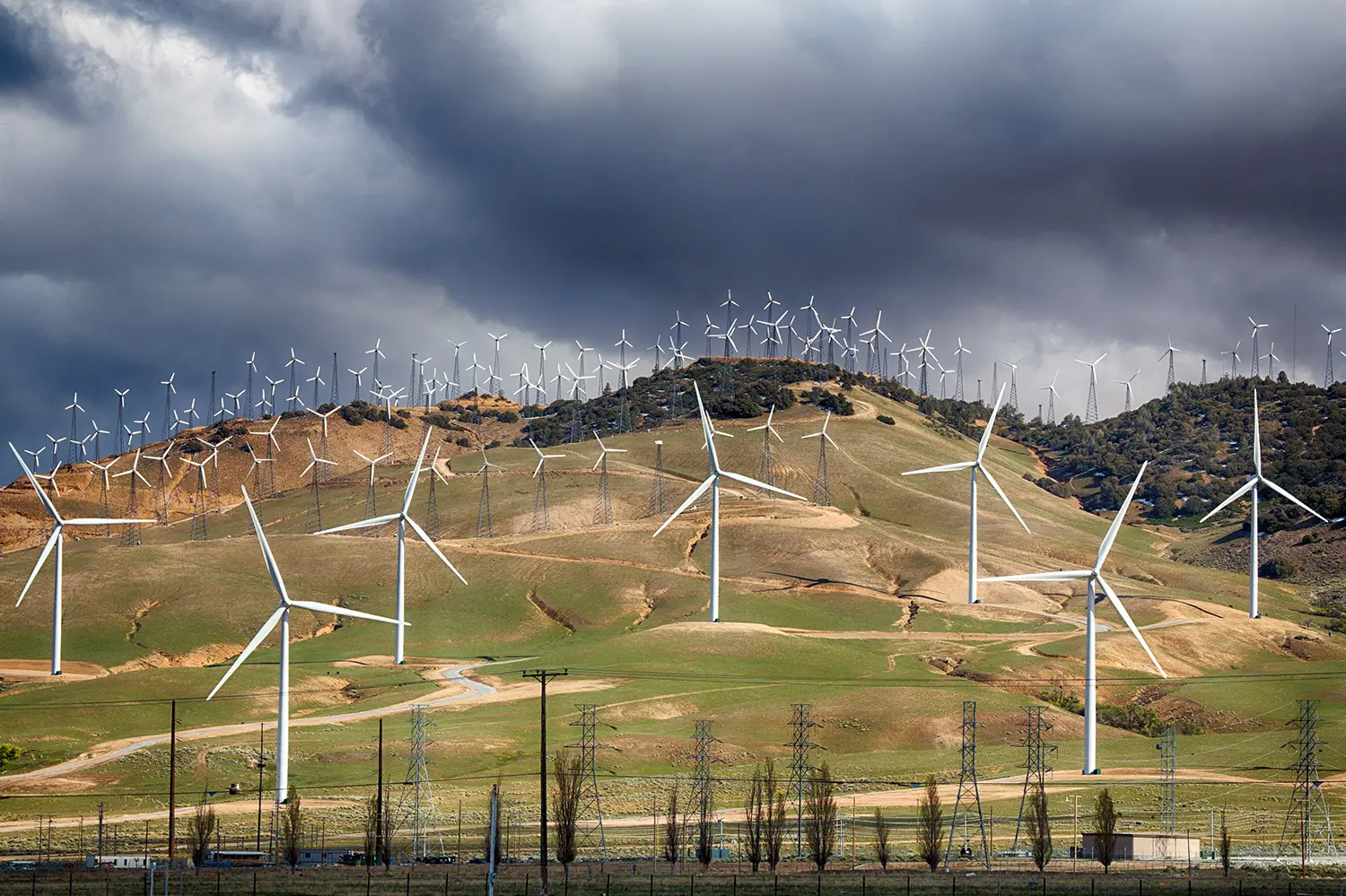
Racing the Clock or Repeating the Mistakes?
California’s clean energy buildout is being sold as a race against time. State officials warn that unless projects move fast, federal tax credits will vanish, climate targets will slip, and the...
Read more
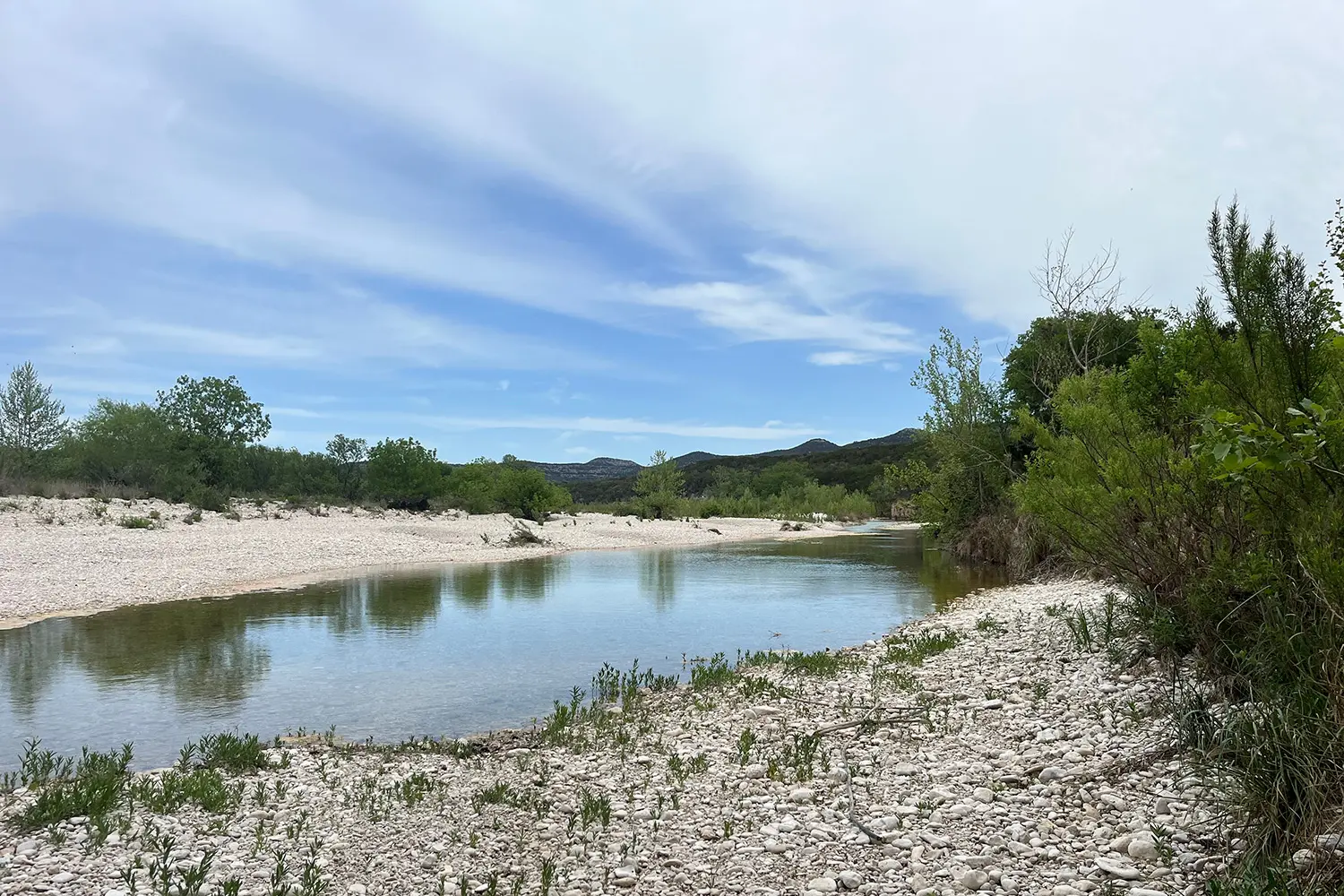
Who Gets the Water When the Wells Run Dry Corpus Christi’s Crisis Was Engineered
Who Gets the Water When the Wells Run Dry: Corpus Christi’s Crisis Was Engineered Corpus Christi’s water crisis did not arrive overnight, and it did not arrive by accident. Years of drought have...
Read more
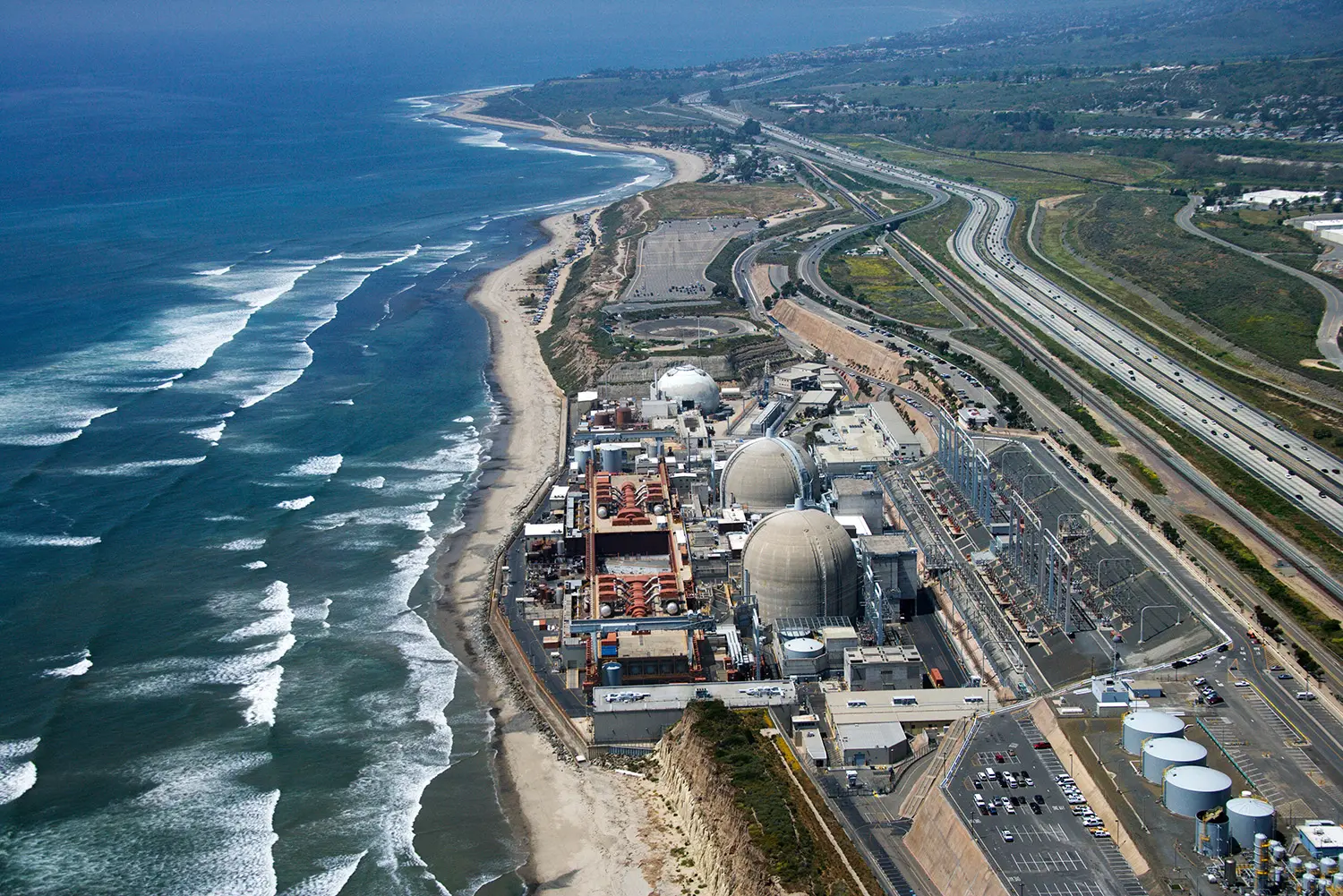
The Nuclear Bill Is Coming How nuclear megaprojects drive up power bills while cheaper solutions get ignored
Ontario’s proposed 72.6 percent increase in the price paid for nuclear power is a warning flare for North America. The details may be Canadian, but the underlying story is familiar across the...
Read more
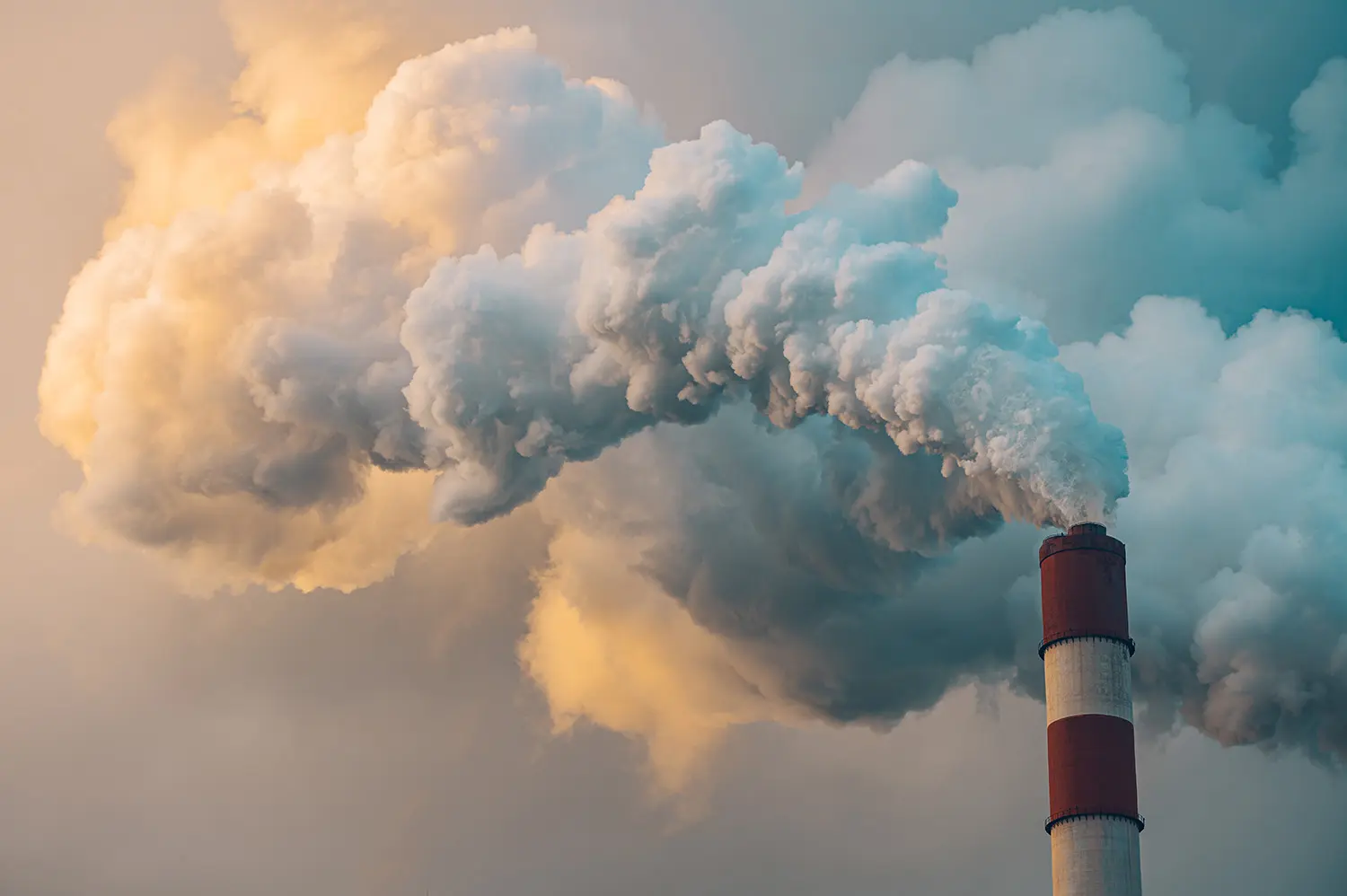
The Competitiveness Con How Big Oil Hijacked EU Climate Law
While European citizens believed their governments were negotiating landmark climate legislation, a secret corporate cabal was systematically dismantling it from within. Leaked documents reveal how...
Read more

The mind-blowing thing we get WRONG about energy
Click the above image to play video In the YouTube video, The Mind-Blowing Thing We Get WRONG About Energy by DW Planet A, the team dives into a critical yet often overlooked fact about our energy...
Read more

Understanding the Impact of Nanoplastics on Human Health
In the modern world, the pervasive use of plastics has birthed a concern that flies under the radar: nanoplastics. These tiny particles, smaller than 100 nanometers, are a result of the breakdown...
Read more
View more