Plastic pollution does not begin with waste
Press Release 7-8-2026
Society of Native Nations Warns Plastics Treaty Must Not Be Reframed to Protect Petrochemical Interests
SNN calls for full life-cycle measures and the full participation of Indigenous Peoples as rights holders
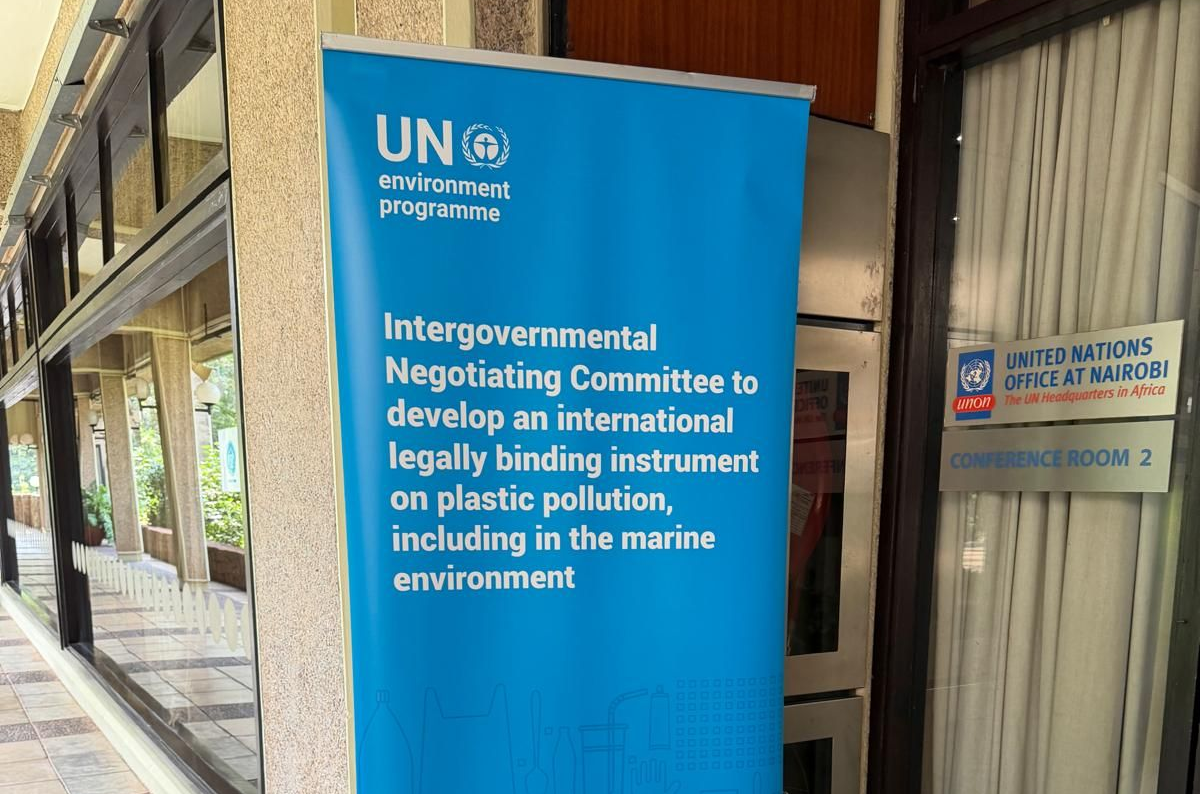
NAIROBI, Kenya, July 2026 — Following the Heads of Delegation informal meeting on the global plastics treaty, the Society of Native Nations (SNN) warns that discussions around restructuring the treaty from downstream to upstream risk becoming a strategy to weaken ambition and move the treaty away from where plastic pollution truly begins.
Plastic pollution does not begin at waste management. It begins with fossil fuel extraction, transportation, refining, and the manufacturing of petrochemicals feedstocks used to make plastic products.
“Rearranging the treaty may sound procedural, but it will have serious political consequences,” said Frankie Orona, Executive Director of the Society of Native Nations. “If the treaty begins with waste, leakage, and recovery, while pushing the root cause of extraction, production, and chemical manufacturing to the side, then the treaty is being structured to manage pollution instead of preventing it.”
The plastics treaty was mandated to address plastic pollution across its full life cycle. SNN emphasizes that a full life-cycle approach must include binding measures on production reduction, harmful chemicals, fossil fuel-based feedstocks, problematic and unnecessary plastics, product design, toxic releases, waste, legacy pollution, and just transition.
A treaty focused mainly on waste management would fail Indigenous Peoples and frontline communities living near extraction sites, pipelines, refineries, petrochemical facilities, export terminals, incinerators, landfills, and polluted waterways.
“For Indigenous Peoples, the plastics crisis is not just a waste crisis. It is an extraction crisis, a health crisis, a human rights crisis, and a threat to our lands, waters, cultures, medicines, and future generations,” Orona said. “The harm begins upstream, and the treaty must begin there too.”
SNN is also calling attention to the continued exclusion of Indigenous Peoples from meaningful participation in the negotiations. Indigenous Peoples are not merely observers or stakeholders. Indigenous Peoples are rights holders with collective rights recognized under international human rights standards, including the right to self-determination, the right to participate in decision-making through our own representative institutions, and the right to free, prior and informed consent.
“Indigenous Peoples cannot be discussed in the room while being kept outside the room,” Orona said. “Decisions made in this treaty will affect our lands, territories, waters, resources, health, knowledge systems, and future generations. Participation is not a courtesy. It is a right.”
SNN calls on Member States to reject any restructuring that weakens upstream measures or narrows the treaty into a waste-management agreement. Recycling, recovery, circular economy language, and extended producer responsibility cannot substitute for binding obligations to reduce production, phase out harmful toxic plastics and chemicals, and prevent pollution at its source.
SNN urges Member States to ensure the future treaty includes:
- Binding measures to reduce production of virgin plastics.
- Phase-outs of problematic, unnecessary, and harmful toxic plastics.
- Strong controls on hazardous chemicals and toxic additives.
- Recognition that plastic pollution begins with fossil fuels and petrochemical feedstocks.
- Full protection of Indigenous Peoples’ rights, including self-determination and free, prior and informed consent.
- A formal Indigenous Peoples participation and advisory mechanism under the treaty.
- A just transition that does not shift the burden onto Indigenous Peoples, workers, waste pickers, or developing countries.
“A lowest-common-denominator treaty centered on waste management will lock the world into decades of expanding plastic production and continued harm,” Orona said. “Member States must not allow process language, restructuring, or consensus politics to become tools for lowering ambition.”
The Society of Native Nations calls on the Chair, Bureau, Secretariat, and Member States to ensure future treaty documents fully reflect the full life-cycle mandate, including upstream measures, and to establish meaningful, structured participation for Indigenous Peoples as rights holders before the next stage of negotiations.
Media Contact:
Society of Native Nations
Frankie Orona, Executive Director
press@societyofnativenations.org
+1 210-430-1766 Text / WhatsApp
Full PDF Press Release here: https://drive.google.com/file/d/1M8Baci_AqyMUDUhR0cvVNbwLwxydjXFQ/view?usp=drive_link