
For decades, the plastics industry has assured us that many of its products are safe because the plastic itself is chemically stable. When concerns arise, the focus usually turns to chemicals added during manufacturing, such as BPA, which is used in some hard plastics, or phthalates, which make certain plastics flexible. Remove the harmful additives, the argument goes, and the plastic becomes safer.
But new research suggests the problem runs much deeper. Scientists have discovered that tiny plastic particles can produce potentially harmful chemicals simply by coming into contact with water. The plastic itself may be part of the problem, even without toxic additives.
When Plastic Meets Water
In a study published in Nature in October 2026, researchers found that microplastics can generate reactive oxygen species, or ROS, when exposed to water.
These highly reactive molecules occur naturally in our bodies, where they help with normal cell functions. But too many can damage cells, proteins, and DNA through a process called oxidative stress. Scientists have linked excessive oxidative stress to inflammation and several chronic diseases.
What makes this discovery troubling is how little it takes for the reaction to happen. The researchers found that ordinary contact with water could trigger chemical activity on the surface of plastic particles, without requiring sunlight or extreme temperatures.
As plastic breaks into smaller pieces, more of its surface becomes exposed. This creates additional opportunities for chemical reactions. A discarded plastic bottle may eventually become millions of microscopic fragments, each capable of interacting with its surroundings.
The Pollution We Cannot See
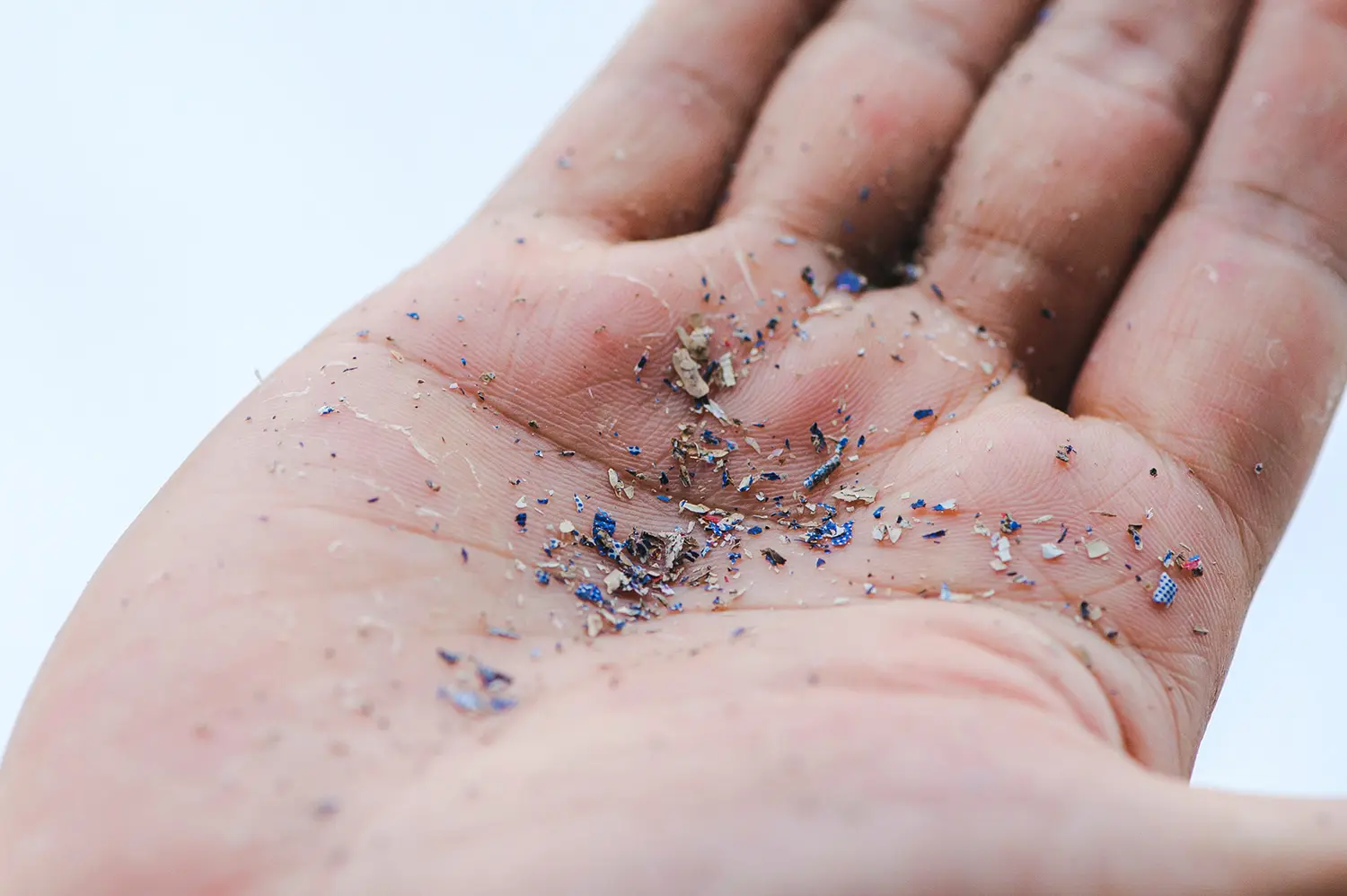
Microplastics are plastic particles smaller than five millimeters, roughly the size of a pencil eraser. Many are far smaller, and nanoplastics are so tiny they can enter places larger particles cannot easily reach.
Scientists have detected plastic particles in human blood, lungs, and other tissues. They have also found them in drinking water, food, soil, and oceans.
Until recently, much of the concern focused on what these particles carry. Plastics can contain chemical additives and may collect pollutants from their surroundings. Now researchers have identified another possible danger: the particles themselves can generate reactive chemicals.
This does not mean scientists have proven that microplastics cause cancer, heart disease, or other illnesses in humans. The new research identifies a possible way they could harm living cells. How much damage occurs under real-world conditions, and at what levels of exposure, still needs investigation.
But the findings raise an uncomfortable question: How can we declare a material safe when we are still discovering what happens after it breaks into particles too small to see?
Recycling Cannot Fix Everything
The plastics industry frequently promotes recycling as the answer to plastic pollution. Recycling can reduce waste and the need for new plastic, but it does not eliminate the material’s ability to break into smaller particles.
A recycled plastic bottle is still plastic. So is a recycled polyester shirt that sheds tiny fibers when washed.
Removing harmful additives may reduce some risks, but it cannot necessarily prevent the chemical reactions identified in this study. Better recycling systems also cannot recover the countless particles already circulating through rivers, oceans, soil, and potentially our bodies.
This is the weakness in treating plastic pollution mainly as a waste-management problem. We focus on what happens after products are thrown away while continuing to manufacture enormous quantities of materials that can persist in the environment for decades or longer.
The Industry Profits. The Public Pays.
Plastic is inexpensive partly because its price does not fully account for what happens after we use it.
Communities pay to collect waste. Water utilities invest in treatment systems. Researchers and public agencies spend money investigating contamination and its potential health effects. Wildlife and ecosystems are exposed to pollution they did nothing to create.
Meanwhile, manufacturers continue producing new plastic, much of it intended for products used only once.
The new research does not prove that every plastic product is dangerous. It does, however, challenge the assumption that removing toxic additives or improving recycling is enough to address the risks.
We cannot recycle our way out of a problem that begins with the material itself. Reducing unnecessary plastic production, especially single-use packaging, must be part of the solution.
For too long, we have asked how to manage plastic pollution after it happens. Perhaps the more important question is why we keep producing so much of it in the first place.
- The Washington Post (October 25, 2026) — Microplastics create dangerous chemicals when mixed with water, researchers find.
- Nature (2026) — Original peer-reviewed research on the chemical activity of microplastics in water.
- Columbia University (2026) — Microplastics Are Chemically Active and Could Cause Biological Harm.
- United Nations Environment Programme (2023) — Turning off the Tap: How the World Can End Plastic Pollution and Create a Circular Economy.
10/27/2026 – This article has been written by the FalseSolutions.Org team
Share this