
As Wall Street worries about the future of AI and industrial expansion, communities are asking a different question: Who benefits, and who gets stuck with the bill?
The November 2026 elections changed the balance of power in Washington, giving Democrats control of Congress while President Trump remains in the White House. Financial markets reacted with sharp losses, driven partly by concerns about expensive artificial intelligence investments and growing resistance to massive data centers.
But beyond Wall Street, something more important is happening. Communities are questioning whether the next wave of industrial development will improve their lives or leave them paying for projects that mainly benefit large corporations.
For years, Americans have been told that bigger projects mean more jobs, cheaper energy, and economic growth. Now, as electricity bills rise and companies propose enormous new facilities, more people are asking who will actually benefit.
The AI Boom Comes With an Electricity Bill
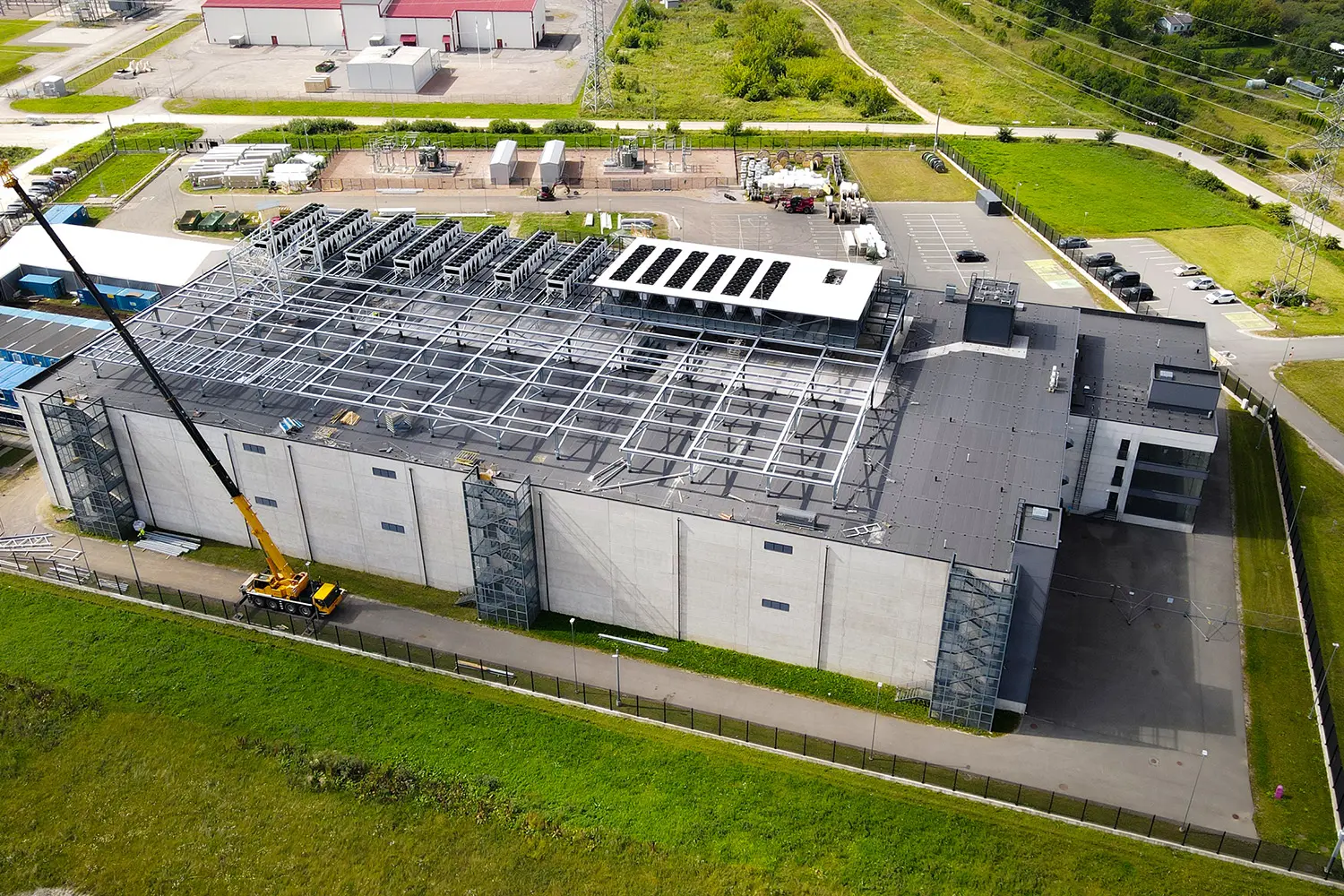
Artificial intelligence needs enormous computing power. That means building data centers filled with servers that operate around the clock, consuming large amounts of electricity and requiring cooling systems that may use significant amounts of water.
Technology companies are investing billions in these facilities, while electric utilities plan new power plants, transmission lines, and substations to serve them.
The problem is that these investments can create costs for everyone, including people who never use the services being built.
Utilities generally recover approved infrastructure costs through electricity rates. If a utility builds expensive equipment to serve a data center, regulators must decide how much the developer pays and how much gets passed along to other customers.
If demand falls short of projections or a planned facility never opens, households and small businesses could still be left paying for infrastructure built around those expectations.
That risk is becoming harder to ignore. Reuters reported that voters in several states supported restrictions on data-center development during the November elections. Their concerns included electricity costs, water use, and the effects of large facilities on surrounding communities.
The message is not necessarily that people oppose technology. They want a say in what gets built and who pays for it.
Faster Permits, Fewer Protections?
Another major fight is developing over federal permitting rules.
Permitting is the process governments use to review major projects before construction begins. It helps identify damage to air, water, wildlife, and nearby communities.
Both renewable-energy developers and fossil-fuel companies argue that approvals take too long. Some delays are real, and improving government efficiency could help build needed clean-energy infrastructure.
But proposals to speed up approvals can also weaken environmental reviews or limit the public’s ability to challenge harmful projects.
A bipartisan permitting bill, already facing criticism before the election, now faces an uncertain future. Environmental groups worry that some provisions could make it harder to hold developers accountable, while clean-energy companies argue that faster approvals are essential for expanding renewable power.
The danger is treating every large project as necessary simply because a corporation calls it critical infrastructure.
A gas power plant, hydrogen facility, pipeline, or enormous solar installation should not receive automatic approval because it promises jobs or claims to help the climate. Its actual costs, environmental impacts, and alternatives deserve careful examination.
The Same Business Model, With New Labels
This is where many false solutions begin.
A company identifies a problem, proposes an expensive industrial project, and asks the public to help finance it through subsidies, tax breaks, or higher utility rates.
The project is promoted as essential for economic growth, energy security, or environmental progress. Yet the financial rewards may go mainly to investors, while communities face pollution, higher bills, or long-term cleanup costs.
Not every large project follows this pattern. Some are necessary and deliver real public benefits. The problem arises when governments approve spending without asking whether smaller, cleaner, or less expensive options could achieve the same results.
Consider electricity. Instead of automatically building another power plant, utilities could compare the costs of batteries, rooftop solar, community solar, energy efficiency, and virtual power plants.
A virtual power plant connects many smaller resources, such as home batteries and smart appliances, allowing them to work together to reduce demand when the grid is under pressure.
These resources cannot replace every large power plant, but they can reduce the need for some expensive infrastructure while giving households and communities a greater role in the energy system.
A New Congress Doesn’t Guarantee a New Direction
The election creates opportunities for stronger oversight of corporate subsidies, electricity costs, and environmental protections. But Congress alone cannot reverse every federal policy, and state regulators will continue making many of the decisions that determine what customers pay.
For disadvantaged communities, the stakes are especially high. Industrial projects can add pollution to neighborhoods already burdened by highways, factories, and power plants. Promises of economic development mean little if residents cannot afford their electricity or protect their health.
The real test of political change will not be how many projects Washington helps build. It will be whether public officials demand proof that those projects are needed, compare reasonable alternatives, protect affected communities, and make corporations responsible for the costs they create.
America needs reliable electricity, modern infrastructure, and a cleaner economy. But building more of everything, faster and with fewer questions, is not a plan for shared prosperity.
The election changed who holds power in Washington. The bigger question is whether it will change who holds power over our energy, our communities, and our future.
- Reuters – Data centers took a beating in the midterms, and AI firms felt the pain, November 6, 2026.
- Brookings Institution – How the 2026 midterms could reshape data center policy, November 4, 2026.
- Inside Climate News – Election shakeup threatens bipartisan energy permitting deal, November 6, 2026.
- S&P Global – Democratic wins cloud US energy permitting reforms, November 4, 2026.
- Morgan Stanley – What the 2026 midterm election results mean for markets, November 4, 2026.
11/06/2026 – This article has been written by the FalseSolutions.Org team
Share this