
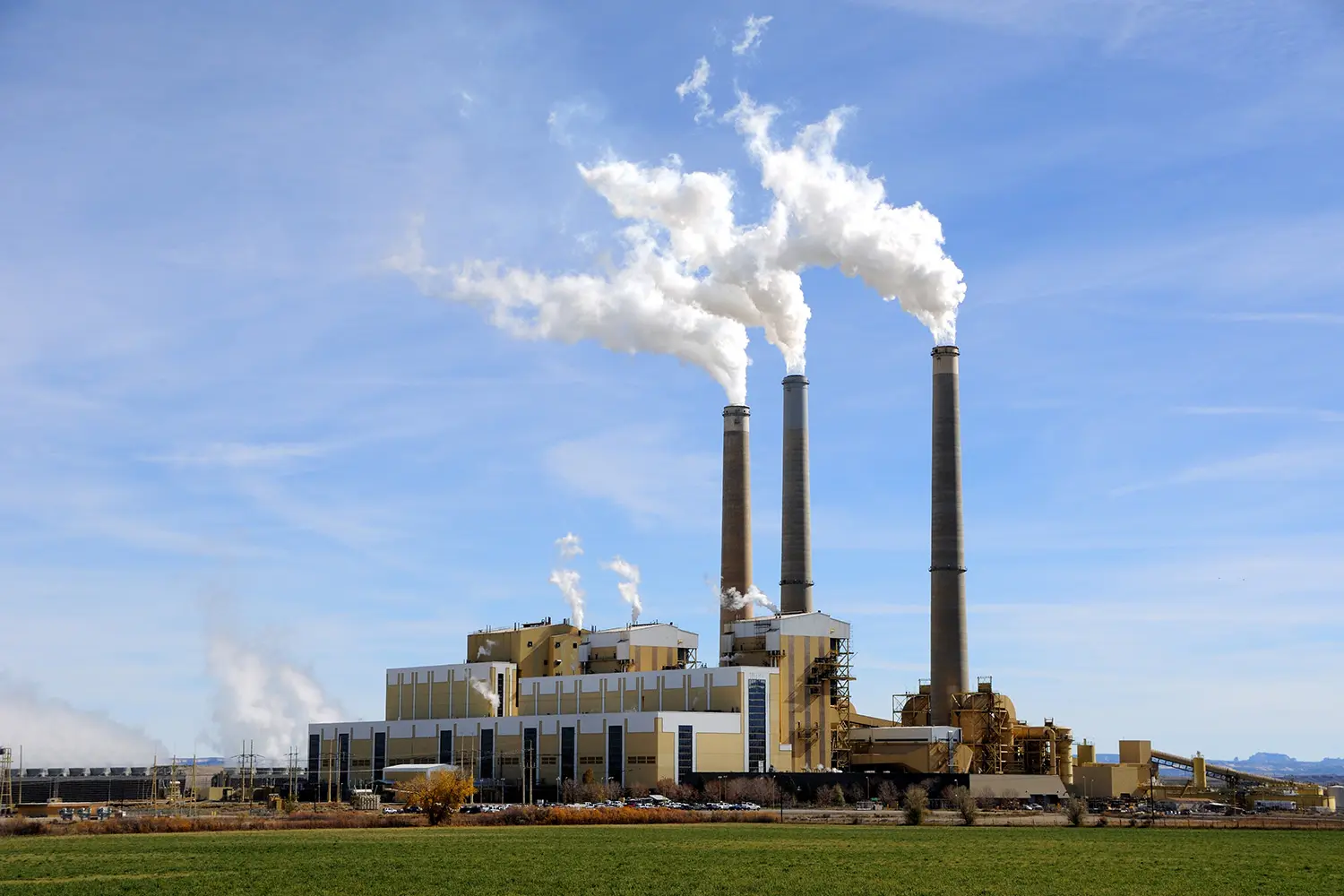
There is an easy way to make pollution controls cheaper: get rid of the pollution controls.
That is essentially what the Environmental Protection Agency is doing with some of the nation’s largest sources of climate pollution. On September 14, the EPA finalized the repeal of most of the greenhouse gas requirements adopted in 2024 for coal and natural gas power plants. At the same time, the agency proposed eliminating the remaining federal greenhouse gas standards for fossil fuel power plants.
The EPA describes the rollback as a huge economic benefit, estimating that repealing most of the 2024 rules could save as much as $310 billion. But those “savings” do not come from inventing a cleaner or cheaper way to produce electricity. Much of the savings comes from power companies no longer having to comply with rules designed to reduce carbon pollution.
The pollution does not disappear because the regulation does.
In fact, the EPA’s own announcement says coal production for the power sector is expected to increase by more than tenfold following the repeal. That is an extraordinary detail to include in an announcement supposedly celebrating savings for Americans. Coal is the most carbon-intensive major fossil fuel used to generate electricity, so burning more of it moves the country in the opposite direction from cutting climate pollution.
The administration argues that the previous rules were too expensive, threatened reliable electricity and relied too heavily on technologies such as carbon capture and storage. It is also advancing a broader legal argument that the Clean Air Act does not give the EPA authority to regulate power plant greenhouse gases in response to global climate change. That second move is still a proposal, not a final rule.
What has not changed is the basic science. Coal and gas plants still release carbon dioxide when they burn fossil fuels, and carbon dioxide still traps heat in the atmosphere. Power plants fueled by coal, oil and natural gas account for roughly a quarter of U.S. greenhouse gas emissions.
There is another piece of this story worth watching. Electricity demand is rising as the United States builds more data centers, including facilities needed for artificial intelligence. The fossil fuel industry has increasingly used that growing demand to argue for keeping coal and gas plants operating.
That creates a convenient cycle. We build enormous new electricity users, say we urgently need more power, use that urgency to justify keeping old fossil fuel plants running, and then call environmental rules an expensive obstacle.
There is nothing innovative about that solution. We are not making dirty electricity cleaner. We are making it easier to keep producing it.
- U.S. Environmental Protection Agency, “EPA Finalizes Repeal of 2024 Power Plant Regulations, Delivering $300+ Billion in Savings,” September 14, 2026.
- U.S. Environmental Protection Agency, General Fact Sheet: Final Carbon Pollution Standards Repeal & Proposed Repeal of GHG Standards.
- U.S. Environmental Protection Agency, Final Partial Repeal of the Carbon Pollution Standards.
- U.S. Environmental Protection Agency, Proposed Rescission of Greenhouse Gas Findings and Standards for Fossil Fuel-Fired Power Plants.
- Associated Press, “EPA eliminates rule that limits planet-warming greenhouse gas emissions from power plants,” September 14, 2026.
09/15/2026 – This article has been written by the FalseSolutions.Org team
Share this