
There is a familiar pattern in American environmental policy. Companies make money selling products that create pollution, governments allow the damage to spread, and when the consequences become too serious to ignore, the public is handed the cleanup bill. The companies keep their profits, while taxpayers and consumers pay to deal with the mess.
The growing crisis over PFAS, commonly called “forever chemicals,” is another example of this pattern.
PFAS are a large family of human-made chemicals used for decades in products such as nonstick cookware, waterproof clothing, food packaging, and firefighting foam. They are called forever chemicals because many break down extremely slowly in the environment. Some have been linked to cancer, immune system problems, and other serious health risks.
A 2023 U.S. Geological Survey study estimated that at least one PFAS chemical could be detected in about 45% of the nation’s tap water. That doesn’t mean every contaminated water supply exceeds safety limits, but it shows how widely these chemicals have spread.
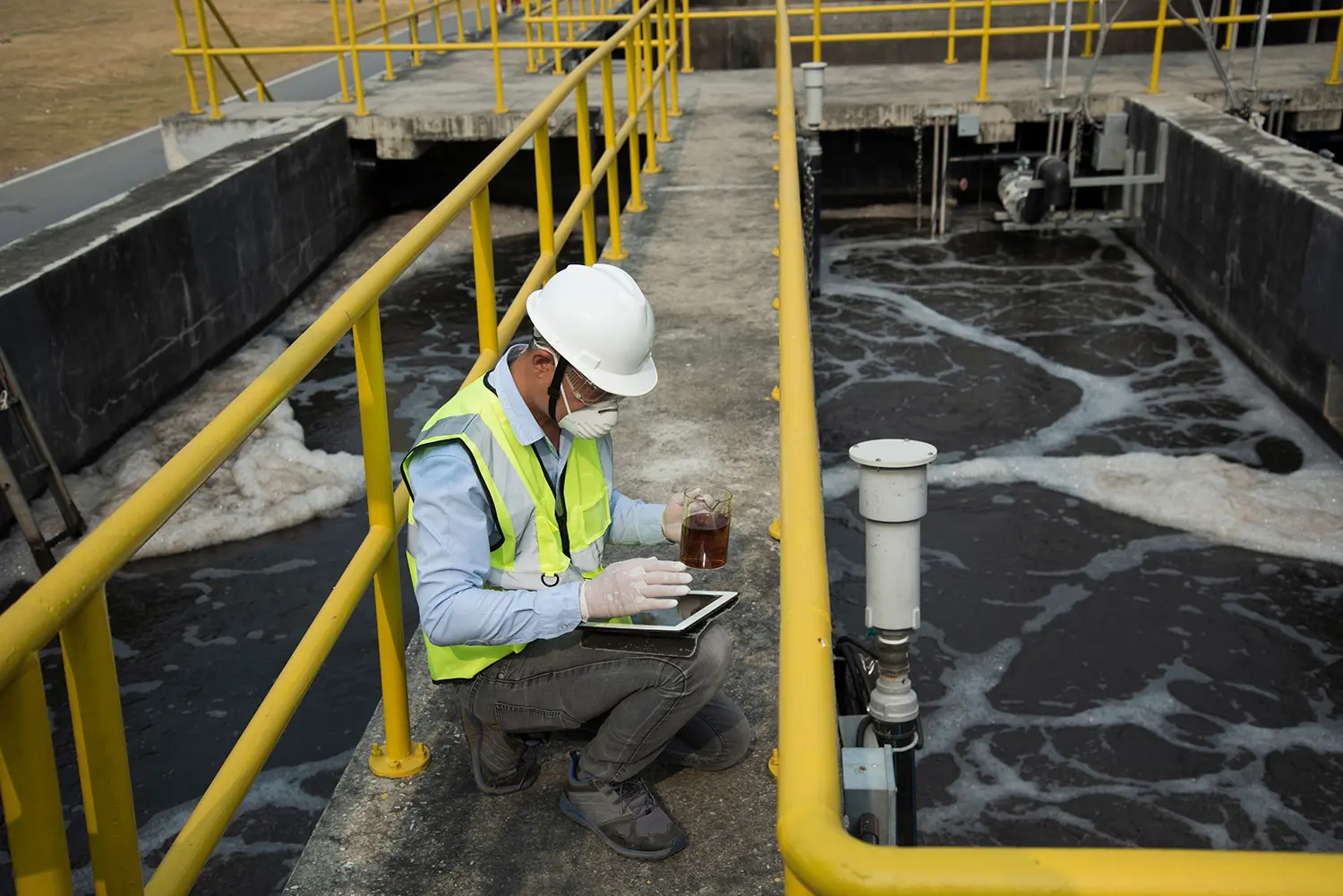
The companies that manufactured PFAS earned money from their sale for decades. Now water utilities across the country must install expensive treatment systems to remove them from drinking water. Those systems require equipment, electricity, maintenance, and regular replacement of filters. Even when federal grants help cover construction, the money ultimately comes from public funds.
And there is another problem. Removing PFAS from water doesn’t necessarily destroy them. Many treatment systems simply capture the chemicals in filters or other materials that must then be handled and disposed of safely. The pollution hasn’t disappeared. It has been moved somewhere else.
We explored this problem in our earlier article, The PFAS Desalination Feedback Loop, which examined how water treatment can create new waste problems when the contaminants it removes remain difficult to destroy.
Meanwhile, the federal government has been reconsidering some of its drinking water protections. In 2024, the Environmental Protection Agency established the first nationwide drinking water limits for six PFAS chemicals or chemical mixtures. The agency has since proposed retaining limits for two chemicals, PFOA and PFOS, while removing requirements for four others and extending compliance deadlines.
States including Maine and Minnesota have moved ahead with restrictions on PFAS in consumer products. But this creates another problem: protections increasingly depend on where people live and whether their state government has the resources and willingness to act.
For families living near industrial facilities, military bases, or contaminated farmland, this is not an abstract debate about regulations. It is about whether the water coming from their kitchen faucet is safe and whether their community can afford to clean it.
Some chemical manufacturers have agreed to multibillion-dollar settlements to help public water systems address PFAS contamination. But settlements do not automatically cover every contaminated site, every affected household, or the full cost of decades of pollution.
We have seen this same pattern with fossil fuels, plastics, and industrial waste, and we may be watching it develop again with artificial intelligence. As data centers search for ways to reduce water consumption, some advanced cooling systems use fluorinated chemicals, including certain PFAS. These technologies may save water, but they also raise questions about chemical leaks, disposal, and long-term contamination. Without proper safeguards, we risk solving one environmental problem by creating another.
This is where the larger failure becomes clear. Our economic system allows companies to collect the benefits of producing harmful substances while much of the long-term risk falls on everyone else. Economists call these externalized costs, which simply means expenses that a business does not pay itself but passes along to society.
Communities already living with PFAS contamination need clean drinking water now, and treatment systems are essential. But cleaning up pollution cannot replace preventing it in the first place.
The real question is why governments continue allowing industries to profit from activities that leave the public with expensive and lasting consequences. Until preventing pollution becomes more important than managing its aftermath, taxpayers will keep paying to clean up problems they never agreed to create.
Sources and references
- Earth.Org — US States Are Filling the Federal Void on PFAS Regulation(October 2026).
- U.S. EPA — Proposed PFAS Rescission Rule(2026).
- U.S. EPA — Proposed PFOA and PFOS Compliance Extension Rule(2026).
- Associated Press — Court Approves 3M Settlement Over Forever Chemicals in Drinking Water(2024).
- Interstate Technology & Regulatory Council — PFAS Treatment Technologies.
Related False Solutions Articles
10/10/2026 – This article has been written by the FalseSolutions.Org team
Share this